
Anúncios
5G technology promises lightning-fast internet speeds, but many users struggle to access it even with compatible devices.
Unlocking 5G on your phone might require the right app.
The rollout of 5G networks worldwide has transformed how we consume content, communicate, and work on mobile devices.
However, having a 5G-capable smartphone doesn’t automatically guarantee you’ll experience those blazing-fast speeds.
Various factors—from network settings to carrier restrictions—can prevent your device from connecting to 5G networks efficiently.
Fortunately, specialized applications can help you unlock and optimize 5G connectivity on your smartphone.
These tools work by adjusting network preferences, forcing your device to prioritize 5G connections, and providing detailed information about your current network status.
Let’s explore how these apps work and which ones deliver real results. ⚡

📱 Understanding Why Your Phone Might Not Connect to 5G
Before diving into applications that promise to unlock 5G, it’s essential to understand why your phone might not be connecting to 5G networks in the first place. Many users assume their device is faulty when the issue often lies elsewhere.
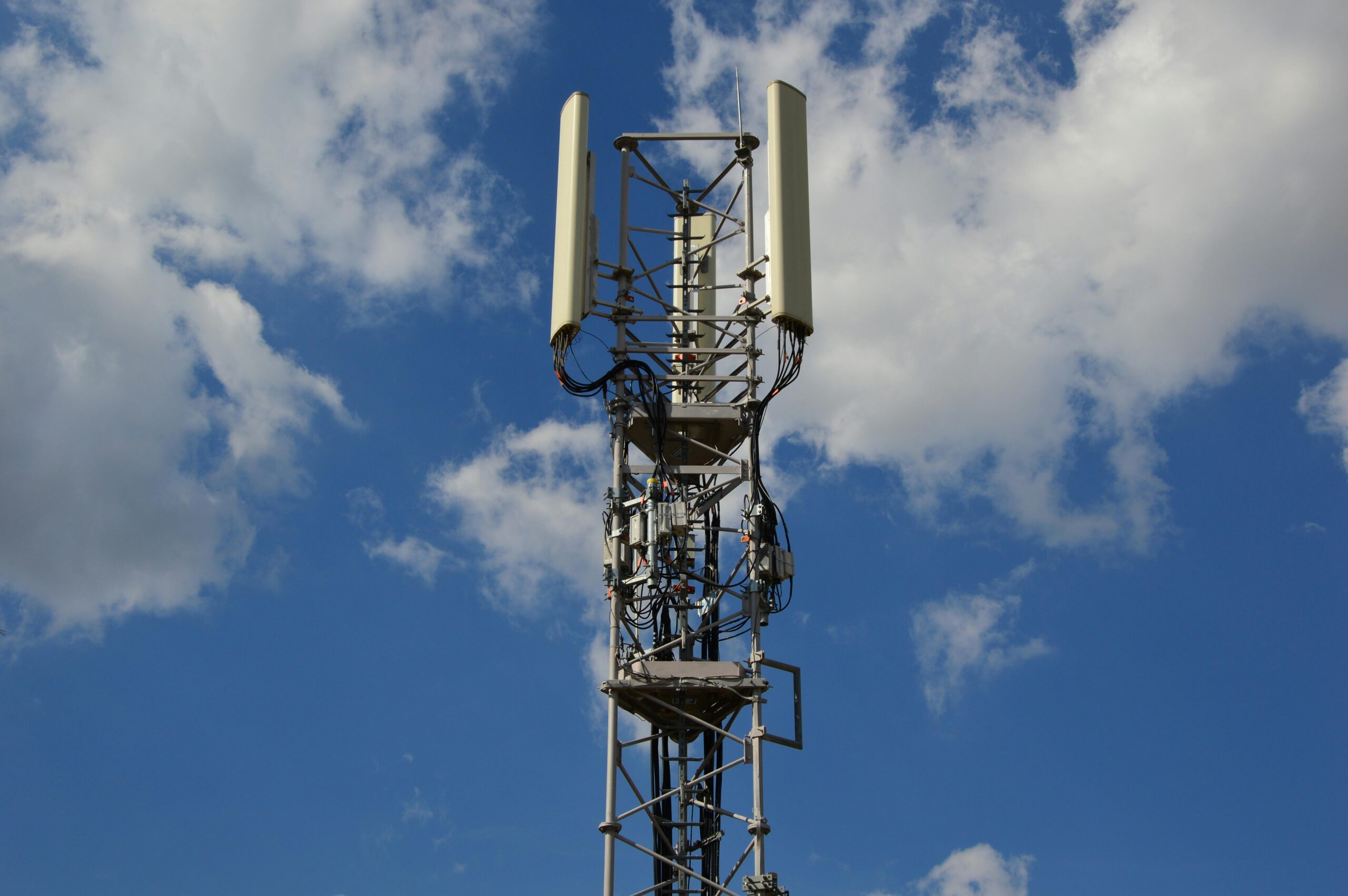
Network coverage remains the primary limitation. Even if your phone supports 5G, you need to be in an area where 5G towers are active and accessible. Carriers are still expanding their infrastructure, meaning coverage can be spotty even in major cities.
Another common issue involves network settings. Your phone might default to LTE or 4G connections to conserve battery, as 5G can drain power more quickly. Some devices require manual configuration to prioritize 5G networks over older technologies.
Carrier restrictions also play a role. Some mobile operators limit 5G access to specific plans or require additional fees for 5G connectivity. Your SIM card must be 5G-compatible and properly activated by your carrier.
🔧 How 5G Unlocking Apps Actually Work
Applications designed to unlock or enable 5G on your smartphone operate through several mechanisms. Understanding these processes helps you choose the right tool and set realistic expectations.
Most 5G apps function by accessing your phone’s hidden network settings—menus that manufacturers typically hide from average users. These settings allow you to manually select preferred network types, forcing your device to search for and connect to 5G signals when available.
Some applications provide what’s called “network mode switching.” This feature lets you toggle between different network technologies (2G, 3G, 4G, 5G) without navigating through complex system menus. The app creates a simplified interface for these advanced controls.
Additionally, many 5G apps include diagnostic tools. They display real-time information about signal strength, network band, frequency, and connection quality. This data helps you identify whether 5G is actually available in your location and if your device is properly configured to access it.
It’s important to note that these apps don’t magically create 5G coverage where none exists. They simply optimize your device’s settings to maximize the chances of connecting to available 5G networks. Think of them as configurators rather than network generators. 🛠️
⭐ Top Features to Look for in 5G Network Apps
Not all 5G applications deliver the same functionality or user experience. When selecting an app to help unlock 5G on your device, certain features prove more valuable than others.
A clean, intuitive interface makes a significant difference. Network settings can be technically complex, so an app that simplifies these controls without oversimplifying saves time and frustration. Look for apps with clear labels and straightforward navigation.
Real-time network monitoring is another crucial feature. The best apps display current connection type, signal strength, frequency bands, and network speed. This information helps you understand whether you’re actually connected to 5G and how well it’s performing.
One-tap network switching stands out as particularly useful. Rather than diving into multiple settings menus, quality apps let you switch between network modes with a single button press. This convenience becomes invaluable when troubleshooting connectivity issues.
Battery optimization features deserve attention as well. Since 5G can consume more power than 4G, some apps include settings that balance 5G connectivity with battery conservation. These might automatically switch to 4G when 5G signal is weak or when battery level drops below a certain threshold.
- Network band information and frequency details
- Signal strength meter with decibel readings
- Automatic network selection based on signal quality
- Historical data logging for connection patterns
- Speed test integration for performance verification
- Widget support for quick access from home screen
🚀 Force LTE and 5G Mode: A Popular Solution
Among the most downloaded apps for network optimization is Force LTE Mode (also known as 5G/4G LTE Force). This application has gained popularity for its straightforward approach to network management.
The app provides direct access to your phone’s network selection menu, which is typically buried deep within system settings. Once opened, you can manually select which network type your device should prioritize—including 5G options when available.
One of Force LTE’s strongest points is its simplicity. The interface doesn’t overwhelm users with unnecessary features or confusing technical jargon. You open the app, select your preferred network mode, and your device applies the changes immediately.
The application also displays detailed information about your current network connection, including cell tower information, signal strength in decibels, and network type. This transparency helps users verify whether changes have taken effect.
However, it’s worth noting that Force LTE Mode requires proper device support. The app can’t enable 5G on phones that lack the necessary hardware. It simply helps you access and modify settings that already exist within your device’s operating system. 📲

📊 Testing Your 5G Connection After Configuration
After using an app to adjust your network settings, verifying your 5G connection becomes the next critical step. Simply seeing a 5G icon doesn’t guarantee optimal performance.
Speed test applications provide the most reliable way to measure actual network performance. Apps like Speedtest by Ookla or Fast.com measure download speeds, upload speeds, and latency. Run multiple tests at different times and locations to get accurate averages.
Real-world usage testing matters just as much as synthetic benchmarks. Try streaming high-definition video, downloading large files, or video calling to experience how 5G performs during actual use cases. These tests reveal whether your connection delivers practical benefits.
Pay attention to consistency rather than peak speeds. A 5G connection that delivers steady 200 Mbps proves more valuable than one that hits 800 Mbps occasionally but frequently drops to 4G. Stability matters more than occasional speed bursts.
Network monitoring within your 5G app helps track connection patterns over time. Many apps log which network type you’re connected to throughout the day, helping identify areas with strong or weak 5G coverage along your regular routes.
🔋 Managing Battery Life With 5G Enabled
One of the most common complaints about 5G involves increased battery consumption. Understanding this relationship helps you make informed decisions about when to use 5G connectivity.
5G technology, particularly in its earlier implementations, requires more power than 4G LTE. Your phone’s modem works harder to maintain 5G connections, especially when signal strength fluctuates. This additional workload translates directly to faster battery drain.
Many 5G unlocking apps include battery-saving features that intelligently manage network connections. These might automatically switch to 4G when 5G signal is weak, as poor 5G connectivity drains battery faster than a strong 4G connection would.
Some users prefer manual control, using their 5G app to enable high-speed connectivity only when needed—such as when downloading large files or streaming high-quality video. For regular browsing, email, and messaging, 4G often provides adequate speed with better battery efficiency.
Airplane mode cycling can also help. If your phone struggles to find 5G signal, it may continuously search for networks, draining battery rapidly. Temporarily enabling airplane mode, then disabling it, forces your phone to re-scan for networks and often establishes a more stable connection. 🔌
🌐 Regional Differences in 5G Implementation
5G availability and performance vary dramatically across different countries and regions. These differences affect how effectively unlocking apps can improve your connectivity.
In the United States, carriers deploy multiple types of 5G networks. Low-band 5G offers wide coverage but speeds only marginally better than 4G. Mid-band 5G provides a balance of coverage and speed. High-band (mmWave) 5G delivers extremely fast speeds but very limited range and building penetration.
European countries have focused primarily on mid-band 5G deployment, prioritizing consistent coverage over peak speeds. This approach typically results in more reliable 5G connections that deliver noticeable improvements over 4G in more locations.
Asian markets, particularly South Korea and China, have invested heavily in comprehensive 5G infrastructure. Users in these regions often experience the most consistent 5G performance, making network optimization apps particularly effective.
Understanding your region’s 5G landscape helps set appropriate expectations. An unlocking app can’t overcome fundamental infrastructure limitations, but it can ensure your device maximizes whatever 5G connectivity is available in your area.
⚙️ Advanced Settings for Tech-Savvy Users
Beyond basic network mode selection, some 5G apps offer advanced configuration options that appeal to users who want granular control over their connectivity.
Band selection represents one of the most powerful advanced features. Different 5G frequency bands offer varying characteristics—some prioritize range, others prioritize speed. Apps that allow manual band selection let you optimize for your specific needs and location.
Carrier aggregation settings can enhance performance by combining multiple network bands simultaneously. Some apps let you view which bands are being aggregated and potentially influence this process, though this feature typically requires rooted or developer-enabled devices.
Network lock prevention is another advanced feature. Some carriers or device manufacturers may restrict network settings, preventing manual changes. Certain apps can bypass these restrictions, though doing so may violate carrier terms of service or void warranties.
Custom network profiles allow you to save different configurations for various scenarios. You might create one profile optimized for maximum speed (forcing 5G regardless of battery impact), another for battery life (preferring 4G), and a third for balance. Switching between profiles becomes as simple as tapping a button. 🎯
🛡️ Safety and Privacy Considerations
When downloading apps that modify network settings, security and privacy should remain top priorities. Not all apps in this category maintain the same standards.
Stick to applications with established reputations and transparent developers. Check user reviews, but look beyond star ratings—read actual comments to identify legitimate concerns versus user error. Apps with millions of downloads and recent updates generally prove safer choices.
Examine permission requests carefully. A legitimate network configuration app needs access to phone and network settings. However, it shouldn’t require permissions for contacts, camera, microphone, or storage unless these features are clearly explained and optional.
Be cautious of apps promising to “unlock” 5G on devices that don’t support it. No software can add 5G capability to phones lacking the necessary hardware. Apps making impossible claims likely represent scams or adware.
Consider the source of your download. Official app stores like Google Play Store and Apple App Store provide significantly better security than third-party download sites. While not perfect, these platforms screen apps for obvious malware and privacy violations.
💡 Troubleshooting Common 5G Connection Issues
Even with the right app and settings, you might encounter obstacles when trying to establish reliable 5G connectivity. Knowing how to troubleshoot these issues saves time and frustration.
If your phone won’t connect to 5G despite proper settings, verify that 5G is actually available in your location. Contact your carrier or check their coverage map. Many areas still lack 5G infrastructure, making connection impossible regardless of your device configuration.
SIM card compatibility often causes connection problems. Older SIM cards may not support 5G networks. Contact your carrier to confirm whether your SIM is 5G-compatible and request a replacement if necessary. This solution often costs nothing and resolves stubborn connectivity issues.
Software updates frequently address network connectivity problems. Both your phone’s operating system and carrier settings receive periodic updates that improve 5G performance and compatibility. Check for updates regularly and install them promptly.
Network congestion can make 5G appear slower than 4G in certain situations. During peak usage times in densely populated areas, 4G networks with mature infrastructure might outperform newer 5G networks still managing capacity. This isn’t a device issue but rather a temporary network condition.
🎯 Maximizing Your 5G Experience Beyond Apps
While apps help unlock and optimize 5G connectivity, additional strategies can enhance your overall experience with next-generation networks.
Choose the right data plan for your 5G usage. Some carriers throttle 5G speeds after you exceed certain data thresholds or limit 5G access to premium plans. Review your plan details and consider upgrading if you regularly consume large amounts of data.
Position matters when using 5G, especially high-band implementations. Unlike 4G signals that penetrate buildings effectively, some 5G frequencies struggle with obstacles. When experiencing slow speeds indoors, moving closer to windows or stepping outside often dramatically improves connectivity.
Invest in accessories that complement 5G usage. The increased speeds enable data-intensive activities that drain batteries faster and generate more heat. A quality portable charger and a phone case with good heat dissipation help you take full advantage of 5G without compromises.
Stay informed about 5G developments in your area. Carriers continuously expand coverage and upgrade existing towers. Following your carrier’s official channels helps you learn when 5G becomes available in new locations or when network improvements launch.

🌟 The Future of 5G and Network Management Apps
As 5G technology matures and becomes more widespread, the role of network unlocking and optimization apps will evolve alongside it.
Eventually, 5G should become the default connection type in most areas, making manual network mode selection less necessary. However, as 6G development progresses, similar apps will likely emerge to help users transition to even newer technologies.
Artificial intelligence integration represents a promising direction for network management apps. Future versions might learn your usage patterns and automatically optimize network settings based on your location, time of day, and current activity—balancing speed, battery life, and cost without manual intervention.
Greater standardization across carriers and manufacturers may reduce the need for third-party apps. If device makers implement more user-friendly native controls for network preferences, external apps might become redundant for basic functions while focusing on advanced features for power users.
Regardless of technological advances, the fundamental principle remains constant: understanding and controlling your device’s network settings empowers you to get the best possible performance from available infrastructure. Apps that simplify this process will continue providing value as long as network technologies keep evolving. 🚀
Unlocking 5G on your smartphone doesn’t require technical expertise or complicated procedures. With the right application, you can access and optimize network settings that manufacturers often hide from average users. These tools help ensure your 5G-capable device actually connects to 5G networks when available, delivering the speed and performance you expect from next-generation connectivity. Whether you’re troubleshooting connection issues or simply want more control over your network preferences, 5G unlocking apps provide accessible solutions that make advanced features available to everyone.
