
Anúncios
Ever wondered if you could unlock Siri’s powerful voice assistant features on any smartphone, regardless of the brand?
Modern technology has made this dream closer to reality than you might think.
Voice assistants have revolutionized how we interact with our devices, making everyday tasks simpler and more intuitive.
While Siri has been exclusively available on Apple devices since its launch, the growing demand for cross-platform functionality has sparked innovation in the app development world.
Today’s smartphone users aren’t satisfied with limitations based on their device’s operating system.
They want access to the best features available, regardless of whether they own an iPhone or an Android device.
This shift in consumer expectations has led to creative solutions that bring Siri-like experiences to a broader audience.


🎯 Understanding the Siri Unlock Phenomenon
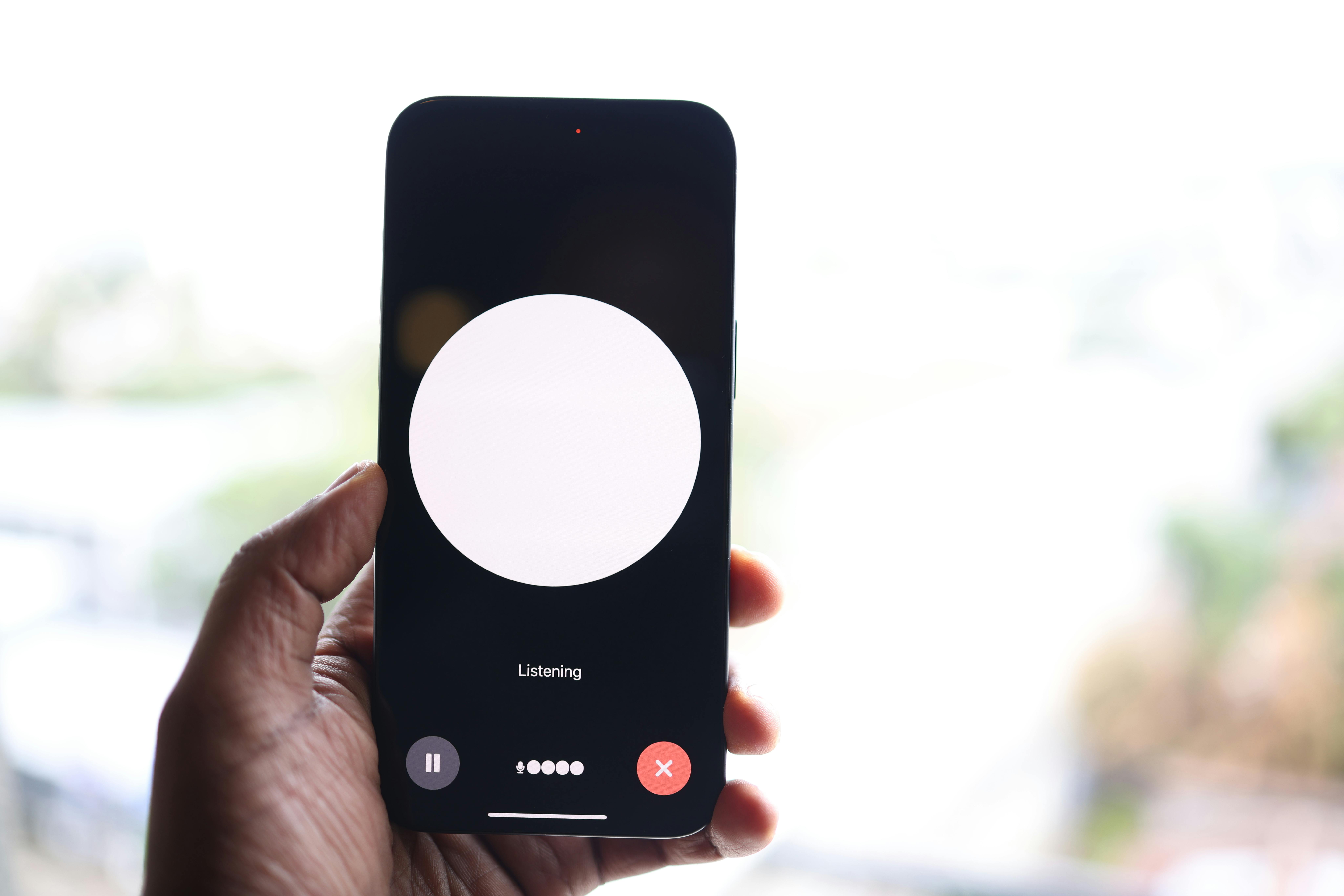
The concept of “unlocking Siri” on non-Apple devices isn’t about hacking or illegally accessing Apple’s proprietary software. Instead, it refers to applications that replicate Siri’s functionality, offering similar voice-activated features that work seamlessly on Android smartphones and other platforms.
These applications leverage advanced artificial intelligence and natural language processing to create voice assistant experiences that mirror what Apple users enjoy. They understand context, execute commands, answer questions, and integrate with various apps and services on your device.
The technology behind these apps has evolved significantly over recent years. Machine learning algorithms now allow voice assistants to understand accents, dialects, and even contextual nuances that were once the exclusive domain of major tech companies like Apple, Google, and Amazon.
📱 How Siri-Style Apps Work on Android Devices
When you install a Siri-compatible application on your Android phone, you’re essentially adding a layer of voice-activated intelligence that interprets your commands and translates them into actions. These apps don’t actually contain Apple’s Siri code—that would be impossible due to copyright and proprietary restrictions.
Instead, they use their own AI engines, often powered by cloud-based processing systems that analyze your voice input in real-time. The app sends your voice command to servers where sophisticated algorithms interpret your request, determine the appropriate response or action, and send the result back to your device.
Key Features That Make These Apps Valuable
Modern Siri-alternative applications offer an impressive range of capabilities that extend well beyond basic voice recognition. Here’s what you can typically expect:
- Voice-activated searches: Ask questions and receive instant answers from the web
- Smart home control: Manage compatible IoT devices through voice commands
- Message composition: Dictate texts, emails, and social media posts hands-free
- Calendar management: Schedule appointments and set reminders with your voice
- Navigation assistance: Get directions and traffic updates without touching your screen
- Music and media control: Play songs, adjust volume, and switch tracks verbally
- Weather forecasts: Check conditions for any location instantly
- Translation services: Convert phrases between multiple languages on the fly
🔍 Top Applications That Bring Siri Functionality to Any Phone
The app marketplace offers several robust options for users seeking Siri-like experiences on their Android devices. These applications have been refined through countless updates and user feedback, creating increasingly sophisticated voice assistant platforms.
The best apps in this category distinguish themselves through accuracy, response speed, integration capabilities, and user-friendly interfaces. They understand that modern smartphone users expect seamless experiences that don’t interrupt their workflow or require extensive setup.
What to Look For in a Quality Siri Alternative
Not all voice assistant apps are created equal. When evaluating options, consider these critical factors that separate exceptional applications from mediocre ones:
- Recognition accuracy: How well does the app understand different accents and speech patterns?
- Response time: Is there noticeable lag between your command and the app’s action?
- Offline functionality: Can it perform basic tasks without an internet connection?
- Third-party integration: Does it work with your favorite apps and services?
- Privacy protection: How does the app handle your voice data and personal information?
- Battery efficiency: Will running the assistant drain your phone’s battery quickly?

💡 Setting Up Your Siri-Style Assistant Properly
Installing a voice assistant app is just the first step. To maximize its potential, you’ll need to configure it correctly and train it to understand your specific needs and preferences.
Start by granting the necessary permissions the app requests during setup. While it might seem invasive to allow microphone access, contact permissions, and notification rights, these are essential for the assistant to function effectively. Reputable apps use these permissions responsibly and transparently explain why each one is needed.
Initial Configuration Steps
Most quality voice assistant applications guide you through an onboarding process designed to optimize performance for your specific usage patterns. This typically includes voice training exercises where you repeat certain phrases so the app can learn your vocal characteristics.
Take this training seriously—spending an extra five minutes during setup can dramatically improve accuracy and reduce frustrating misunderstandings later. Speak naturally during training, using the same tone and volume you’ll typically use when giving real commands.
After basic setup, explore the app’s settings menu to customize default behaviors. You can usually adjust things like activation methods (wake word, button press, or gesture), preferred search engines, default music services, and privacy controls.
🔐 Privacy and Security Considerations
Voice-activated assistants require access to sensitive information and capabilities on your device. This reality raises legitimate questions about data security and privacy that deserve careful consideration before installation.
Reputable voice assistant apps employ encryption to protect your voice recordings and personal data during transmission and storage. They should clearly outline their data retention policies, explaining what information they collect, how long they keep it, and whether they share it with third parties.
Protecting Your Personal Information
Review the app’s privacy policy before granting permissions. Look for transparent explanations about data usage written in plain language rather than confusing legal jargon. Quality developers understand that user trust depends on clear communication about privacy practices.
Many advanced voice assistant apps now offer privacy-focused features like local processing for basic commands, automatic deletion of voice recordings after a specified period, and anonymous usage modes that limit data collection to essential functionality only.
🚀 Advanced Features That Set Premium Apps Apart
While basic voice recognition and command execution are standard across most voice assistant apps, premium options distinguish themselves through innovative features that enhance productivity and convenience.
Context awareness represents one of the most valuable advanced capabilities. Premium assistants remember previous interactions within a conversation, allowing you to ask follow-up questions without repeating context. For example, you might ask “What’s the weather today?” followed by “How about tomorrow?” and the assistant understands the second question refers to weather.
Multi-Language Support and Real-Time Translation
Global users particularly benefit from voice assistants that fluently handle multiple languages. The best apps don’t just recognize different languages—they seamlessly switch between them, even within a single conversation, and offer real-time translation capabilities.
This feature proves invaluable for travelers, language learners, and multicultural families. You can ask questions in one language and receive answers in another, making communication barriers disappear through the power of AI-driven linguistic processing.
📊 Comparing Performance Across Different Devices
Voice assistant app performance can vary significantly depending on your smartphone’s hardware specifications and operating system version. Understanding these variables helps set realistic expectations and guides device-specific optimization.
| Device Category | Expected Performance | Optimization Tips |
|---|---|---|
| High-End Smartphones | Excellent response times, full feature access, minimal battery impact | Enable all features, use wake-word activation |
| Mid-Range Devices | Good performance with occasional delays, most features available | Limit background apps, close unnecessary processes |
| Budget Phones | Functional but slower, some advanced features may lag | Disable visual effects, use button activation instead of wake-word |
| Older Models | Basic functionality works, advanced AI features may struggle | Keep minimal apps running, consider lite versions if available |
🌟 Real-World Applications and Use Cases
Voice assistants transform from novelty to necessity once you discover practical applications that genuinely improve your daily routine. Users consistently report that these apps save time, increase productivity, and make smartphone interaction more natural.
Professionals use voice assistants to dictate emails during commutes, schedule meetings without interrupting workflow, and quickly retrieve information during presentations. The hands-free operation proves especially valuable when multitasking or in situations where screen interaction isn’t practical.
Accessibility Benefits
Beyond convenience, voice assistant apps provide crucial accessibility support for users with visual impairments, motor difficulties, or conditions that make traditional touchscreen interaction challenging. These tools empower users to fully utilize their smartphones independently.
Many apps include specialized accessibility modes with enhanced verbal feedback, simplified command structures, and integration with screen readers and other assistive technologies. This commitment to inclusive design expands smartphone accessibility to populations previously underserved by standard interfaces.
🔄 Regular Updates and Continuous Improvement
The voice assistant landscape evolves rapidly as developers refine algorithms, expand capabilities, and respond to user feedback. Keeping your chosen app updated ensures access to the latest features and performance improvements.
Quality developers release regular updates that address bugs, improve recognition accuracy, add new integrations, and enhance security protocols. Enable automatic updates for your voice assistant app to benefit from these improvements without manual intervention.
Community Feedback and Development
Active user communities surrounding popular voice assistant apps contribute valuable feedback that shapes future development. Developers who engage with their user base typically produce better products that address real-world needs rather than theoretical features.
Consider participating in beta testing programs if your chosen app offers them. These programs give you early access to upcoming features while providing developers with crucial feedback that improves the final release for all users.
💪 Maximizing Battery Life While Using Voice Assistants
Voice-activated features require continuous or frequent monitoring of your device’s microphone, which can impact battery performance if not optimized properly. Modern apps have become increasingly efficient, but understanding power management helps extend battery life.
Most voice assistant apps offer multiple activation methods with different battery implications. Wake-word activation (saying “Hey Siri” or similar phrases) consumes more power than button-based activation because the microphone stays partially active. If battery life concerns you, switch to manual activation through a home screen widget or quick-access button.
🎓 Learning Curve and User Adaptation
Like any new technology, voice assistants require an adjustment period as you learn optimal phrasing, discover capabilities, and integrate them into your routine. Don’t get discouraged if initial interactions feel awkward—fluency develops with practice.
Start with simple, commonly-used commands like setting timers, checking weather, or playing music. As you become comfortable with basic interactions, gradually explore more complex features like multi-step routines, conditional commands, and app-specific integrations.
Most users report that voice assistant usage feels natural after about two weeks of regular interaction. The technology adapts to your speech patterns while you simultaneously learn which commands work best, creating a increasingly seamless experience.
🌐 Future Trends in Cross-Platform Voice Technology
The voice assistant ecosystem continues evolving toward greater interoperability, more sophisticated AI understanding, and deeper integration with smart home ecosystems and IoT devices. These trends promise even more powerful capabilities in coming years.
Emerging technologies like on-device AI processing reduce reliance on cloud services, improving response times while enhancing privacy. As smartphone processors become more powerful, expect voice assistants to handle increasingly complex tasks entirely on your device without internet connectivity.
Multimodal interactions represent another exciting frontier, combining voice commands with visual elements, gestures, and contextual awareness. Future assistants won’t just hear your words—they’ll understand your situation, anticipate needs, and proactively offer helpful suggestions.

✨ Making the Most of Your Voice Assistant Experience
Successfully integrating a voice assistant into your daily routine requires more than just installation—it demands intentional experimentation and willingness to adjust your interaction patterns. View the learning process as an investment that pays dividends through increased convenience and productivity.
Explore the full range of available commands by reviewing the app’s help documentation or command list. You’ll likely discover capabilities you didn’t know existed, from unit conversions and calculation assistance to trivia questions and creative writing prompts.
Don’t hesitate to customize the assistant’s personality and response style if your chosen app offers these options. Some applications allow you to adjust formality levels, humor settings, and verbosity preferences, creating an experience that feels uniquely tailored to your preferences.
Remember that voice assistant technology continues improving at a remarkable pace. Features that seem impressive today will be standard expectations tomorrow, while entirely new capabilities emerge from ongoing AI research and development. By adopting these tools now, you position yourself at the forefront of how humans interact with technology.
Whether you’re an iPhone user looking to enhance Siri’s capabilities or an Android owner seeking similar functionality, today’s voice assistant apps deliver impressive results that bridge the gap between different ecosystems. The future of smartphone interaction is undoubtedly voice-driven, and these applications bring that future to your device today.
