
Anúncios
With the rise of 5G technology, many users are searching for ways to access faster mobile speeds without additional costs.
While truly “free” 5G requires compatible hardware and carrier support, certain apps claim to optimize your connection and unlock better performance.
The promise of lightning-fast internet speeds on your smartphone sounds appealing, especially when you’re struggling with slow connections.
However, understanding what these applications actually do versus what they promise is crucial before downloading anything to your device.
In this comprehensive guide, we’ll explore the reality behind 5G optimization apps, how they work, what features to look for, and whether they can genuinely improve your mobile internet experience.
We’ll also discuss the technical requirements for accessing 5G networks and provide practical tips for maximizing your connection speed. 📱


Understanding What 5G Really Means for Your Device
Before diving into apps, it’s essential to understand that 5G is a cellular network standard that requires specific hardware support. Your phone must have a 5G-compatible modem and antenna system to connect to these networks.
No application can magically transform a 4G phone into a 5G device. What these apps can do, however, is optimize your existing connection, force your device to prioritize faster network modes, and provide detailed information about your current network performance.
The fifth generation of mobile networks offers significantly faster speeds, lower latency, and greater capacity than previous generations. In optimal conditions, 5G can deliver download speeds exceeding 1 Gbps, making activities like streaming 4K video, cloud gaming, and large file transfers seamless.
How Network Optimization Apps Actually Work 🔧
Network optimization applications operate through several mechanisms. They don’t create 5G connectivity from nothing, but they can enhance your experience in meaningful ways.
These tools typically force your device to lock onto specific network types. For example, if your phone keeps switching between 3G, 4G, and 5G, an app can force it to stay connected to the fastest available option, preventing unnecessary downgrades.
Many apps also provide detailed network diagnostics, showing you signal strength, network type, carrier information, and nearby cell towers. This data helps you understand why your connection might be slow and what you can do about it.
Some applications include speed testing features that measure your actual download and upload speeds, latency, and jitter. Regular testing helps you identify patterns in your network performance throughout the day or in different locations.
Key Features to Look For in Network Apps
When choosing a network optimization app, certain features distinguish the helpful tools from the ineffective ones. Here’s what matters most:
- Network mode selection: The ability to manually select preferred network types (5G, 4G, LTE)
- Signal strength monitoring: Real-time display of your connection quality
- Speed testing: Built-in tools to measure actual performance
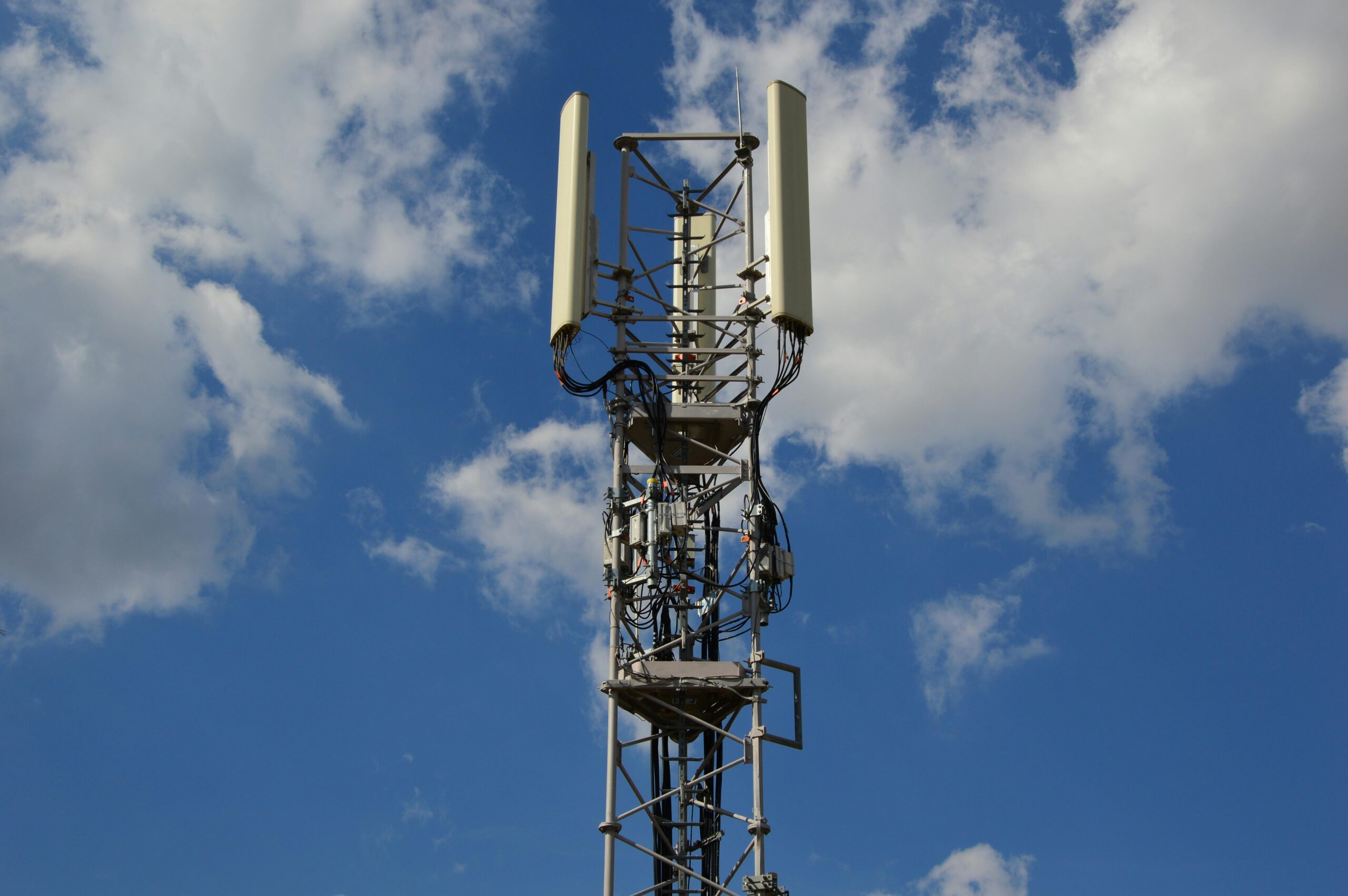
- Tower location mapping: Information about nearby cell towers
- Data usage tracking: Monitoring your consumption patterns
- Network information display: Detailed technical data about your connection
The Truth About “Free 5G” Claims 📶
Marketing claims promising “free 5G” can be misleading. Let’s clarify what’s actually possible and what’s simply not realistic.
First, accessing 5G networks requires a compatible device with 5G hardware. No software solution can bypass this hardware requirement. If your phone doesn’t have a 5G modem, you cannot connect to 5G networks, regardless of which app you install.
Second, you need a carrier plan that includes 5G access. While many modern plans include 5G at no extra cost, older plans might require an upgrade. Apps cannot circumvent carrier restrictions or provide access to networks your plan doesn’t support.
What these apps can do is help you maximize the 5G connection you already have access to. They can ensure your device stays locked to 5G when available, prevent unnecessary switching to slower networks, and help you identify the best locations for 5G reception.

Practical Steps to Maximize Your Mobile Internet Speed
Beyond apps, several practical strategies can significantly improve your mobile internet experience. These techniques work regardless of whether you have 5G access.
Location matters tremendously. Signal strength varies dramatically based on your proximity to cell towers and physical obstacles. Moving closer to windows, going outside, or changing rooms can sometimes double your speeds.
Network congestion affects performance, especially during peak hours. If possible, schedule large downloads for late night or early morning when fewer users are competing for bandwidth.
Your phone’s settings also play a role. Ensure airplane mode is off, restart your device regularly to refresh network connections, and check that mobile data is enabled for the apps you’re using.
Understanding Network Indicators on Your Device
Learning to read your phone’s network indicators helps you understand your current connection status. Here’s a quick reference guide:
| Indicator | Network Type | Typical Speeds |
|---|---|---|
| 5G / 5G+ | Fifth Generation | 100 Mbps – 2+ Gbps |
| 4G / LTE | Fourth Generation | 10 Mbps – 100 Mbps |
| 3G / H+ | Third Generation | 1 Mbps – 10 Mbps |
| E / 2G | EDGE / Second Generation | 0.1 Mbps – 0.5 Mbps |
Safe Practices When Using Network Apps ⚠️
While many network optimization apps are legitimate, some pose security risks or make exaggerated claims. Protecting yourself requires careful app selection and smart usage habits.
Always download apps from official stores like Google Play or Apple’s App Store. These platforms screen apps for malware and remove dangerous software, though they’re not perfect.
Read reviews before installing any app. Look for patterns in user feedback—do people report actual improvements, or do they complain about ads, battery drain, or ineffective features?
Check the permissions requested by the app. Network tools need access to network information, but they shouldn’t require access to your contacts, camera, or other unrelated features.
Be skeptical of apps promising miraculous results. If something sounds too good to be true, it probably is. Legitimate network tools improve optimization but can’t overcome fundamental hardware or carrier limitations.
Alternative Methods to Improve Connection Quality
If apps aren’t delivering the results you want, consider these alternative approaches to better mobile internet performance. 🚀
WiFi calling uses your home or office wireless network for calls and data, often providing better quality than cellular connections. Most modern smartphones support this feature through carrier settings.
External signal boosters amplify weak cellular signals, particularly useful in rural areas or buildings with poor reception. These devices are legal and can significantly improve connection quality.
Carrier plan upgrades sometimes make sense. If you’re on an older plan, newer options might offer priority data access, which can improve speeds during congestion.
Physical SIM card issues occasionally cause connection problems. Removing and reinserting your SIM card or getting a replacement from your carrier can resolve mysterious connectivity issues.
When to Contact Your Carrier
Persistent connection problems might indicate issues requiring carrier intervention. Contact support if you experience:
- Consistently slow speeds despite strong signal indicators
- Frequent disconnections or inability to maintain a connection
- 5G-capable device showing only 4G in areas with confirmed 5G coverage
- Sudden performance degradation without explanation
- Account or plan issues preventing 5G access
The Future of Mobile Connectivity and What It Means for You
Understanding where mobile technology is heading helps set realistic expectations for current capabilities. The evolution of wireless networks continues at a rapid pace. ✨
5G networks are still expanding globally. Many carriers are actively building infrastructure, meaning coverage improves monthly. Areas without 5G today might have excellent coverage within the year.
Device compatibility continues improving. As 5G phones become more affordable, more users will access these faster networks without expensive flagship devices.
Network optimization will become increasingly automated. Future devices will use artificial intelligence to automatically select optimal network settings without requiring manual intervention or third-party apps.
The distinction between WiFi and cellular data may blur as technologies converge. Seamless handoffs between connection types will make the underlying technology less visible to users.
Making Informed Decisions About Network Apps
Armed with accurate information, you can now make smarter choices about network optimization applications and strategies. Remember that no app can circumvent fundamental hardware or carrier limitations.
Focus on apps that provide transparency about what they actually do. Legitimate tools explain their features clearly without making impossible promises about creating connectivity from nothing.
Combine app-based optimization with practical strategies like choosing better locations, timing large downloads appropriately, and maintaining your device properly. This holistic approach delivers better results than any single solution.
Stay informed about your carrier’s network expansion and plan options. Sometimes the best “app” for better connectivity is simply upgrading your service plan or ensuring you’re in an area with good coverage.
Maximizing Your Investment in Mobile Technology 💡
Whether you use network optimization apps or not, getting the most from your mobile device requires understanding how connectivity actually works. This knowledge empowers you to solve problems effectively and avoid falling for misleading marketing claims.
Regular speed testing helps you establish baseline performance, making it easier to identify when something isn’t working properly. Keep a record of speeds in different locations to understand your typical connectivity patterns.
Stay updated on network technology developments in your area. Carriers often announce expansion plans, letting you know when to expect improved coverage or new capabilities.
Consider your actual needs when evaluating connection quality. Streaming music requires far less bandwidth than downloading large files or video chatting. Match your expectations to your usage patterns.
Finally, remember that technology serves you—not the other way around. If you’re spending excessive time troubleshooting connectivity issues, it might be time to consider whether your current device, carrier, or location truly meets your needs. Sometimes the most effective optimization is choosing better foundational components rather than trying to enhance inadequate ones through software alone.
