
Anúncios
Looking to unlock 5G speeds on your smartphone without spending a dime?
Discover how apps can help optimize your connection today.
The promise of 5G technology has transformed how we think about mobile connectivity.
With lightning-fast download speeds, minimal latency, and seamless streaming capabilities, it’s no wonder everyone wants access to this next-generation network.
But what if your device isn’t automatically connecting to 5G, or you’re not sure how to maximize your network potential?
Fortunately, several free applications available on both Android and iOS platforms can help you optimize your smartphone’s network settings
Test 5G availability in your area, and even force your device to prioritize 5G connections when available.
These tools don’t magically create 5G coverage where it doesn’t exist, but they can certainly help you make the most of what’s available around you.


📱 Understanding 5G Technology and Your Smartphone
Before diving into specific applications, it’s essential to understand what 5G actually means for your mobile experience. Fifth-generation wireless technology represents a significant leap from 4G LTE, offering theoretical speeds up to 100 times faster. However, the real-world performance depends on various factors including network infrastructure, device compatibility, and carrier support.
Your smartphone needs to be 5G-compatible to access these networks. Most devices manufactured from 2020 onwards include 5G capabilities, but not all models support every type of 5G band. There are three main types: low-band (wide coverage, moderate speed), mid-band (balanced coverage and speed), and high-band or mmWave (fastest speeds, limited range). Understanding which bands your device supports helps set realistic expectations.
Many users don’t realize their phones might not automatically switch to 5G even when it’s available. Some devices default to LTE to conserve battery life, while others require manual network mode selection. This is where specialized apps become incredibly valuable, providing easy access to settings that might otherwise be buried deep within your phone’s system menus.
🔧 How Network Optimization Apps Actually Work
Network optimization applications function by providing user-friendly interfaces to access your device’s hidden network settings. These aren’t hacking tools or illegal modifications—they simply create shortcuts to legitimate system configurations that manufacturers don’t always make easily accessible.
When you use these apps, they typically offer several key functions. First, they allow you to manually select your preferred network mode, forcing your device to prioritize 5G connections when available. Second, they provide real-time information about your current network status, including signal strength, network type, and carrier details. Third, many include speed testing features to measure your actual connection performance.
The apps work within your phone’s existing capabilities. If your device doesn’t support 5G hardware, no app can magically add that functionality. Similarly, if 5G isn’t available in your location, these tools won’t create coverage. What they do exceptionally well is ensure your device actively seeks out and maintains the best possible connection based on what’s available.
🌟 Top Free Apps to Optimize Your 5G Connection
Several applications stand out for their effectiveness in helping users access and maintain 5G connectivity. Force LTE Only (4G/5G) for Android users has become particularly popular for its straightforward approach. This app lets you access network mode selection directly, allowing you to prioritize 5G NR connections or switch between different network types as needed.
The interface is refreshingly simple. Upon opening the app, you’re presented with your current network information and a button to access network settings. From there, you can select options like “NR/LTE/WCDMA/GSM” which prioritizes 5G where available, falling back to 4G or 3G if necessary. This flexibility ensures you maintain connectivity even when moving between coverage areas.
For iOS users, 5G Speed Test provides comprehensive network analysis tools. While Apple’s iOS doesn’t allow the same level of network mode control as Android, this app excels at helping you understand your 5G availability and performance. It includes mapping features showing 5G coverage in your area, detailed speed tests, and signal strength monitoring.

⚡ Step-by-Step Guide to Enabling 5G on Android
Getting started with 5G optimization on Android devices is straightforward. First, download your chosen network management app from the Google Play Store. Once installed, open the application and grant any necessary permissions—these apps typically need access to your phone’s network information to function properly.
Next, review your current network status displayed in the app. You’ll see information about your current connection type, signal strength, and network operator. Look for the option to access network settings or network mode selection. This might be labeled as “Phone Info,” “Network Mode,” or “LTE Settings” depending on the app.
When the network selection menu appears, you’ll see various options with technical names like “LTE/WCDMA” or “NR/LTE/CDMA.” For 5G access, select any option that includes “NR” (New Radio, the technical term for 5G). Common choices include “NR/LTE/WCDMA/GSM” or “NR/LTE only.” After making your selection, exit the settings, and your phone should begin prioritizing 5G networks.
Remember that forcing 5G mode when you’re in an area with weak 5G coverage might actually degrade your experience. The phone will struggle to maintain a connection rather than falling back to a stronger 4G signal. Most users find the “NR/LTE” combination works best, automatically switching based on signal availability.
🍎 Maximizing 5G Performance on iPhone
iPhone users have a somewhat different experience due to Apple’s more controlled ecosystem. iOS includes built-in 5G settings that are generally easier to access than on many Android devices. Navigate to Settings > Cellular > Cellular Data Options > Voice & Data, where you’ll find options for 5G Auto, 5G On, or LTE.
The “5G Auto” mode is Apple’s default recommendation, intelligently switching between 5G and LTE based on network conditions and battery life considerations. However, if you want to force 5G usage whenever available, select “5G On.” This ensures your iPhone always uses 5G when within range, though it may impact battery life more significantly.
Third-party apps for iPhone focus more on monitoring and testing rather than network mode switching. These applications help you understand when you’re actually connected to 5G, what speeds you’re achieving, and where 5G coverage exists in your area. This information can be incredibly valuable for troubleshooting connectivity issues or understanding your carrier’s network performance.
📊 Testing and Monitoring Your 5G Connection
Once you’ve configured your device to access 5G networks, testing your actual performance becomes important. Speed test features within network optimization apps provide accurate measurements of download speeds, upload speeds, latency, and jitter. These metrics tell the complete story of your connection quality beyond just raw speed numbers.
When running speed tests, timing matters. Network performance varies throughout the day based on congestion levels. Testing during peak hours (typically evenings and weekends) versus off-peak times gives you a realistic range of what to expect. Run multiple tests in different locations to understand your carrier’s coverage patterns in areas you frequent most.
Pay attention to latency measurements, often called ping time. This number, measured in milliseconds, indicates how quickly your device communicates with network servers. True 5G connections should show latency under 30ms, often as low as 10-20ms. If you’re seeing 5G indicated on your device but experiencing latency similar to 4G (50-100ms), you might be connected to lower-quality 5G bands or experiencing network congestion.
🔋 Managing Battery Life While Using 5G
One legitimate concern about 5G usage is battery consumption. Early 5G implementations were notoriously power-hungry, though newer chipsets have improved efficiency significantly. When you force your device to maintain 5G connections constantly, you will notice increased battery drain compared to LTE-only usage.
Several strategies can help balance 5G performance with battery life. Consider using your network app to switch between modes based on your needs. When you’re streaming high-quality video or downloading large files, switch to 5G mode. For casual browsing or when battery life is critical, LTE might suffice. Many apps allow you to create shortcuts or widgets for quick switching.
Another approach involves using your device’s built-in battery optimization features alongside 5G. Enable battery saver modes that reduce background app activity and screen brightness while still maintaining your 5G connection. Some phones also include “adaptive connectivity” features that learn your usage patterns and optimize network connections accordingly.
🗺️ Understanding 5G Coverage and Availability
Having the right app and settings configured means little if 5G coverage doesn’t exist in your location. Mobile carriers have been rapidly expanding 5G networks, but deployment remains uneven. Urban centers generally have robust 5G coverage, particularly with faster mid-band and mmWave implementations, while rural areas often rely on low-band 5G or still primarily use 4G LTE.
Many network optimization apps include coverage mapping features showing where your carrier offers 5G service. These maps can be incredibly helpful for understanding why you’re not connecting to 5G in certain locations. Additionally, they help you identify areas where you can expect the best performance, useful for planning activities that require high-speed connectivity.
Different carriers use different spectrum bands and deployment strategies. Some prioritize widespread low-band coverage that feels similar to enhanced 4G, while others focus on deploying ultra-fast mmWave 5G in specific high-traffic locations. Understanding your carrier’s approach helps set appropriate expectations for what you’ll experience with 5G in various locations.
🛡️ Privacy and Security Considerations
When downloading any app that accesses system-level network settings, security becomes an important consideration. Stick with applications that have strong reviews, transparent privacy policies, and regular updates. The apps recommended here have established track records and don’t require excessive permissions beyond what’s necessary for their functionality.
Review the permissions each app requests before installation. Network information access is legitimate and necessary for these tools to function. However, be wary of apps requesting access to contacts, media files, or other unrelated data. Reputable network optimization apps should only need network state access and phone status permissions.
Keep your chosen apps updated to ensure you have the latest security patches and compatibility improvements. Developers regularly update these applications to support new devices and Android/iOS versions. Outdated apps may not work properly with current operating systems or could potentially contain unpatched security vulnerabilities.
💡 Troubleshooting Common 5G Connection Issues
Even with the right apps and settings, you might encounter issues accessing 5G networks. If your device shows 5G capability but won’t connect, first verify your cellular plan includes 5G access. Some carriers require specific plan upgrades to access 5G networks, even on compatible devices.
SIM card compatibility can also be a factor. Older SIM cards might not support 5G provisioning. Contact your carrier to confirm whether you need a 5G-capable SIM card. Many carriers have transitioned to eSIM technology, which typically supports all network types but may require reprovisioning through your carrier’s app or customer service.
If you’re in a 5G coverage area with a compatible device and plan but still experiencing issues, try toggling airplane mode on and off. This forces your device to re-register with the network, potentially resolving temporary connection glitches. Additionally, restarting your phone can clear cached network settings that might be causing conflicts.
🎯 Making the Most of Your Free 5G Experience
Successfully accessing 5G through free applications represents just the beginning. To truly benefit from these faster speeds, consider how you use your mobile connection. Activities like streaming 4K video, cloud gaming, video conferencing, and large file transfers see dramatic improvements on 5G networks.
Download content when connected to 5G to take advantage of those faster speeds. Full-season television downloads that might take 30 minutes on 4G could complete in just a few minutes on quality 5G connections. Similarly, app updates, operating system downloads, and cloud photo backups become nearly instantaneous tasks.
Remember that these apps and optimization techniques work within the limitations of your device hardware, carrier network, and physical location. They’re tools to ensure you’re getting the best possible connection available to you at any given moment. Combined with understanding your carrier’s network strengths and your device’s capabilities, they can significantly enhance your mobile internet experience without any financial investment.
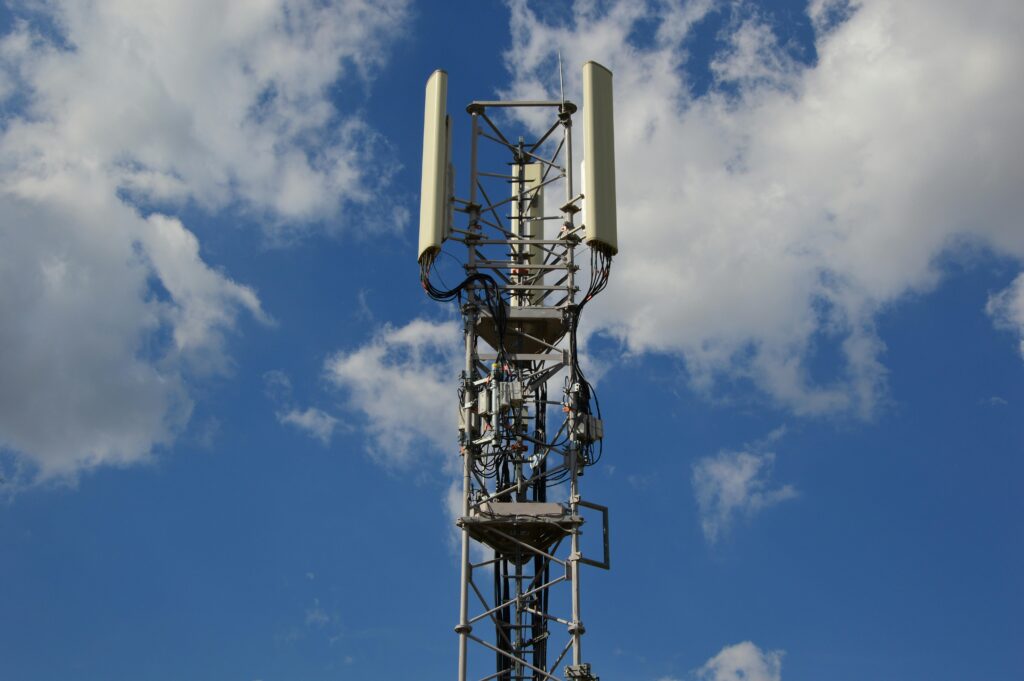
🚀 The Future of Mobile Connectivity
As 5G networks continue expanding and maturing, apps that optimize your connection will become increasingly sophisticated. We’re already seeing features like AI-powered network switching that learns your patterns and automatically optimizes settings. Future iterations may offer predictive connectivity, switching modes based on your location and anticipated activities.
The evolution toward standalone 5G networks, rather than the current non-standalone implementations that rely on 4G infrastructure, will further improve performance. These standalone networks deliver on 5G’s full potential with ultra-low latency and massive device capacity. Apps will adapt to help users leverage these advanced capabilities as they become available.
Accessing 5G through free applications empowers users to take control of their mobile connectivity. Rather than relying solely on carrier settings or device defaults, you can actively manage how your phone connects to networks. This hands-on approach ensures you’re always getting the best possible performance available, making your smartphone experience faster, more reliable, and more enjoyable without spending anything extra.
