
Anúncios
With 5G technology rapidly expanding worldwide, many users are eager to unlock this faster network on their smartphones without spending extra money or upgrading devices.
The promise of lightning-fast internet speeds, lower latency, and seamless streaming has made 5G the most sought-after mobile network standard.
However, not everyone has access to this technology right out of the box, leading many to search for alternative solutions.
Fortunately, several apps claim to help unlock or optimize 5G connectivity on compatible devices, even when carriers haven’t activated it yet.
This article explores how these apps work, their legitimacy, and what you need to know before downloading them.

📱 Understanding 5G Technology and Its Availability
Before diving into apps that promise 5G access, it’s crucial to understand what 5G actually is. The fifth generation of wireless technology offers significant improvements over 4G LTE, including speeds up to 100 times faster and reduced latency that makes real-time applications more responsive.
However, 5G availability depends on several factors. Your device must have compatible hardware, your carrier must support 5G networks in your area, and you typically need a plan that includes 5G access. Even if all these conditions are met, settings on your phone might prevent automatic connection to 5G networks.
This is where certain apps come into play, claiming to adjust network settings and force your device to connect to available 5G towers. But do they really work, and are they safe to use?
🔓 How 5G Unlocking Apps Actually Work
Most apps that promise to unlock 5G don’t actually create 5G capabilities from thin air. Instead, they function as network mode switchers that allow you to manually select which type of network your phone prioritizes.
These applications typically access hidden Android or iOS menus that aren’t readily available to average users. They provide a user-friendly interface to change settings that would otherwise require dialing special codes or navigating complex system menus.
🛠️ Common Features of Network Mode Apps
- Network mode selection: Switch between 5G, 4G, 3G, and 2G manually
- Speed testing: Measure your actual download and upload speeds
- Signal strength monitoring: Track network quality in real-time
- Carrier information: Display detailed data about your mobile network
- Automatic optimization: Some apps claim to optimize settings for better performance
It’s important to note that these apps cannot magically give your phone 5G hardware if it doesn’t already have it. They also cannot force carriers to provide 5G service where infrastructure doesn’t exist.
📲 Popular Apps for 5G Network Access
Several applications have gained popularity among users looking to optimize or unlock 5G connectivity. While results vary depending on your specific device and carrier, these tools have helped many users access 5G networks that were technically available but not automatically connecting.
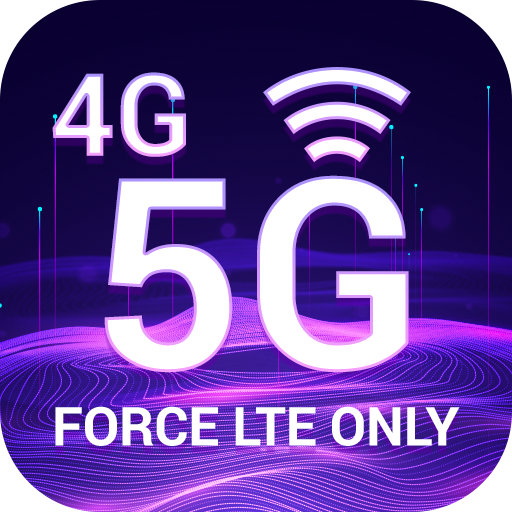
Force LTE/5G Mode Switcher
This Android application has become one of the most downloaded network mode switchers available. It provides access to hidden network settings that allow users to force their devices into specific network modes, including 5G where available.
The app features a simple interface that displays current network information and allows quick switching between different modes. Users report success in accessing 5G networks that weren’t connecting automatically, though effectiveness depends heavily on carrier settings and device compatibility.
5G Speed Test Apps
While not directly unlocking 5G, speed test applications designed specifically for 5G networks help you verify whether you’re actually connected and receiving the promised speeds. These apps often include additional features like network optimization suggestions and coverage maps.
For iOS users, dedicated 5G speed testing apps provide valuable insights into network performance and can help troubleshoot connection issues. They’re particularly useful for confirming whether network mode changes have actually improved your connectivity.
⚙️ Step-by-Step Guide to Using 5G Apps
If you’ve decided to try a network mode switching app, following the proper procedure ensures the best chance of success while minimizing potential issues.
Pre-Installation Checklist
Before downloading any app, verify these essential requirements:
- Hardware compatibility: Confirm your phone actually has 5G-capable hardware
- Carrier support: Check if your mobile carrier offers 5G in your area
- Plan eligibility: Ensure your current plan includes 5G access
- System updates: Update your phone’s operating system to the latest version
- SIM card: Some carriers require updated SIM cards for 5G connectivity
Installation and Configuration Process
Once you’ve verified compatibility, follow these steps for optimal results:
Step 1: Download the app from official sources only. For Android, use Google Play Store; for iOS, use the Apple App Store. Never download APK files from unknown websites as they may contain malware.
Step 2: Grant necessary permissions when prompted. Network mode apps typically require access to phone settings and network information to function properly.
Step 3: Open the app and review your current network settings. Most apps display this information on the main screen, showing whether you’re connected to 5G, 4G, or other networks.
Step 4: Select the 5G network mode option. The exact terminology varies by app, but look for options like “5G/LTE/3G/2G (auto connect)” or “NR/LTE/WCDMA/GSM (auto)”.
Step 5: Restart your device after making changes. This ensures the new settings take effect properly.
Step 6: Test your connection using a speed test app to verify you’re actually connected to 5G and experiencing improved speeds.
🎯 Realistic Expectations: What These Apps Can and Cannot Do
Setting realistic expectations is crucial when using 5G unlocking apps. Understanding their limitations prevents disappointment and helps you make informed decisions.
What These Apps CAN Do
Network mode switching applications can genuinely help in certain situations. They can access network selection menus that aren’t easily accessible through standard phone settings, allowing you to manually force connections to 5G networks when your phone isn’t automatically switching.
They’re particularly useful when your carrier has enabled 5G but your phone’s automatic network selection keeps you on 4G LTE. In such cases, manually forcing the connection can unlock access to faster speeds.
These apps also provide valuable diagnostic information, helping you understand network coverage in different locations and troubleshoot connection problems.
What These Apps CANNOT Do
No app can create hardware capabilities that don’t exist. If your phone lacks a 5G modem, no software will change that fundamental limitation. You’ll need to upgrade to a 5G-compatible device.
Similarly, apps cannot force carriers to provide 5G service where infrastructure doesn’t exist. If there are no 5G towers in your area, forcing your phone into 5G mode will either result in no connection or a fallback to 4G.
They also cannot bypass carrier restrictions on plans. If your subscription doesn’t include 5G access, switching network modes won’t magically grant you those privileges.
⚠️ Important Safety and Privacy Considerations
While many network mode apps are legitimate tools, exercising caution protects your device and personal information.
Download Only from Official Sources
Always download apps from Google Play Store or Apple App Store. Third-party app stores and direct APK downloads carry significant risks, including malware, spyware, and data theft.
Official app stores implement security measures and review processes that filter out many malicious applications. While not perfect, they provide substantially better protection than unverified sources.
Review App Permissions Carefully
Network apps legitimately need certain permissions to function, but be wary of apps requesting excessive access. A network mode switcher shouldn’t need access to your contacts, camera, microphone, or files.
Necessary permissions typically include network information, phone state, and sometimes location services for coverage mapping. Anything beyond these raises red flags.
Potential Impact on Battery Life
Forcing your phone into 5G mode in areas with weak or intermittent 5G coverage can significantly drain your battery. Your device constantly searches for and attempts to maintain 5G connections, consuming more power than staying on stable 4G networks.
Monitor your battery usage after making changes and consider reverting to automatic network selection if you experience dramatic increases in power consumption.
🌐 Carrier-Specific Considerations
Different mobile carriers implement 5G access in varying ways, affecting how well these apps work with specific networks.
Major Carrier Policies
Some carriers actively restrict 5G access to specific plans or require activation through official channels. In these cases, network mode apps might allow you to see 5G networks but not actually connect to them.
Other carriers take a more open approach, providing 5G access to any compatible device with an active plan. Here, network mode apps can be more effective in ensuring your phone connects to the fastest available network.
International Variations
5G deployment varies dramatically by country and region. What works perfectly in one location might be completely ineffective elsewhere due to different frequency bands, carrier implementations, and regulatory environments.
Research your specific carrier’s 5G policies and coverage areas before expecting these apps to work miracles. Online forums and carrier communities often provide valuable real-world insights from users in your area.
💡 Alternative Methods to Access 5G
If apps don’t provide the results you’re hoping for, several alternative approaches might help you access 5G networks.
Manual Network Settings Adjustment
Many Android and iOS devices allow manual network mode selection through built-in settings, eliminating the need for third-party apps. On Android, this is typically found under Settings > Network & Internet > Mobile Network > Preferred Network Type.
iOS users can access similar settings through Settings > Cellular > Cellular Data Options > Voice & Data, where they can select 5G options if their device and carrier support it.
Carrier Activation and Plan Upgrades
Sometimes the most straightforward solution is contacting your carrier directly. They can confirm whether 5G is available on your current plan, activate it if necessary, or offer plan upgrades that include 5G access.
Many carriers provide free 5G access with existing plans but require manual activation through their app or customer service. This official route ensures proper configuration without the uncertainties of third-party apps.
SIM Card Updates
Older SIM cards sometimes lack the necessary provisioning for 5G networks. Visiting a carrier store for a free SIM card replacement can resolve connectivity issues that no app can fix.
This is particularly relevant for users who’ve had the same SIM card for several years or purchased their device before their carrier launched 5G services.
🔍 Troubleshooting Common 5G Connection Issues
Even with compatible hardware, active 5G plans, and network mode apps installed, you might experience connection problems. Here’s how to address common issues.
Phone Shows 5G but Speeds Are Slow
This often indicates connection to 5G networks with poor signal strength. 5G signals don’t travel as far as 4G, and building penetration is weaker, meaning you might show a 5G connection with speeds slower than 4G LTE.
Try disabling 5G in indoor locations or areas with weak coverage, allowing your phone to maintain faster 4G connections instead.
Cannot Connect to 5G Despite App Settings
Verify that 5G is actually available in your specific location. Carrier coverage maps show general availability but don’t reflect every dead zone or gap in coverage.
Additionally, confirm your phone model specifically supports the 5G frequency bands your carrier uses. Not all 5G phones work with all 5G networks due to different spectrum implementations.
Connection Keeps Dropping
Intermittent 5G connections suggest you’re on the edge of coverage areas. Your phone repeatedly connects and disconnects as signal strength fluctuates.
Setting your phone to prefer 4G or use automatic network selection prevents constant switching and provides more stable connectivity.
🚀 Maximizing Your 5G Experience
Once you’ve successfully connected to 5G networks, optimizing your experience ensures you get the most from this advanced technology.
Understanding 5G Network Types
Not all 5G is created equal. Low-band 5G offers wide coverage but speeds only marginally better than 4G. Mid-band provides balanced speed and coverage, while high-band (mmWave) delivers incredibly fast speeds over very short distances.
Your experience will vary dramatically depending on which type of 5G your carrier has deployed in your area. Apps that display detailed network information help you understand exactly what you’re connecting to.
Optimal Use Cases for 5G
Take advantage of 5G’s capabilities for activities that benefit most from high speeds and low latency. Streaming 4K or 8K video, downloading large files, video conferencing, and cloud gaming all showcase 5G’s advantages.
For basic tasks like messaging or email, 4G LTE provides perfectly adequate performance while conserving battery life.
📊 Real-World Performance: What Users Are Experiencing
User experiences with 5G unlocking apps vary widely based on numerous factors. Understanding common outcomes helps set appropriate expectations.
Success Stories
Many users report positive results, particularly those whose phones were 5G-capable but weren’t automatically connecting. These individuals often see immediate speed improvements after forcing 5G mode through network apps.
Success is most common in areas with strong 5G coverage, compatible devices, and carriers that don’t actively restrict 5G access by plan tier.
Limited or No Improvement
Equally common are reports of minimal or no improvement. This typically occurs when fundamental limitations exist—no 5G hardware, no carrier support, or no local infrastructure.
Some users also find that while they can force 5G connections, actual speeds are slower than 4G LTE due to weak signal strength or network congestion.
🔮 The Future of Mobile Network Access
As 5G technology matures and becomes more widespread, the need for these types of apps will likely diminish. Automatic network selection will improve, and carriers will standardize 5G access across plan tiers.
However, for now, network mode switching apps serve a valuable purpose for tech-savvy users who want maximum control over their connectivity. They bridge the gap between device capabilities and actual network access, empowering users to optimize their mobile experience.
Understanding both the potential and limitations of these apps helps you make informed decisions about whether they’re worth trying. For some users, they unlock genuinely better connectivity. For others, they simply confirm that hardware upgrades or carrier changes are necessary to access next-generation networks.

✅ Final Thoughts on 5G Access Apps
Apps claiming to unlock 5G on any phone aren’t magic solutions, but they’re not complete scams either. They provide legitimate access to network settings that can help compatible devices connect to available 5G networks.
Success depends entirely on your specific situation—your device hardware, carrier support, plan details, and local infrastructure all play crucial roles. These apps work best as diagnostic and optimization tools rather than magical unlocking solutions.
Before downloading anything, verify your phone’s 5G capabilities, confirm carrier support in your area, and check your plan details. If all these factors align, network mode apps might help you access faster speeds that were technically available but not automatically connecting.
Always download from official sources, review permissions carefully, and maintain realistic expectations. With the right approach, these free tools can enhance your mobile experience without requiring expensive upgrades or plan changes.
