
Anúncios
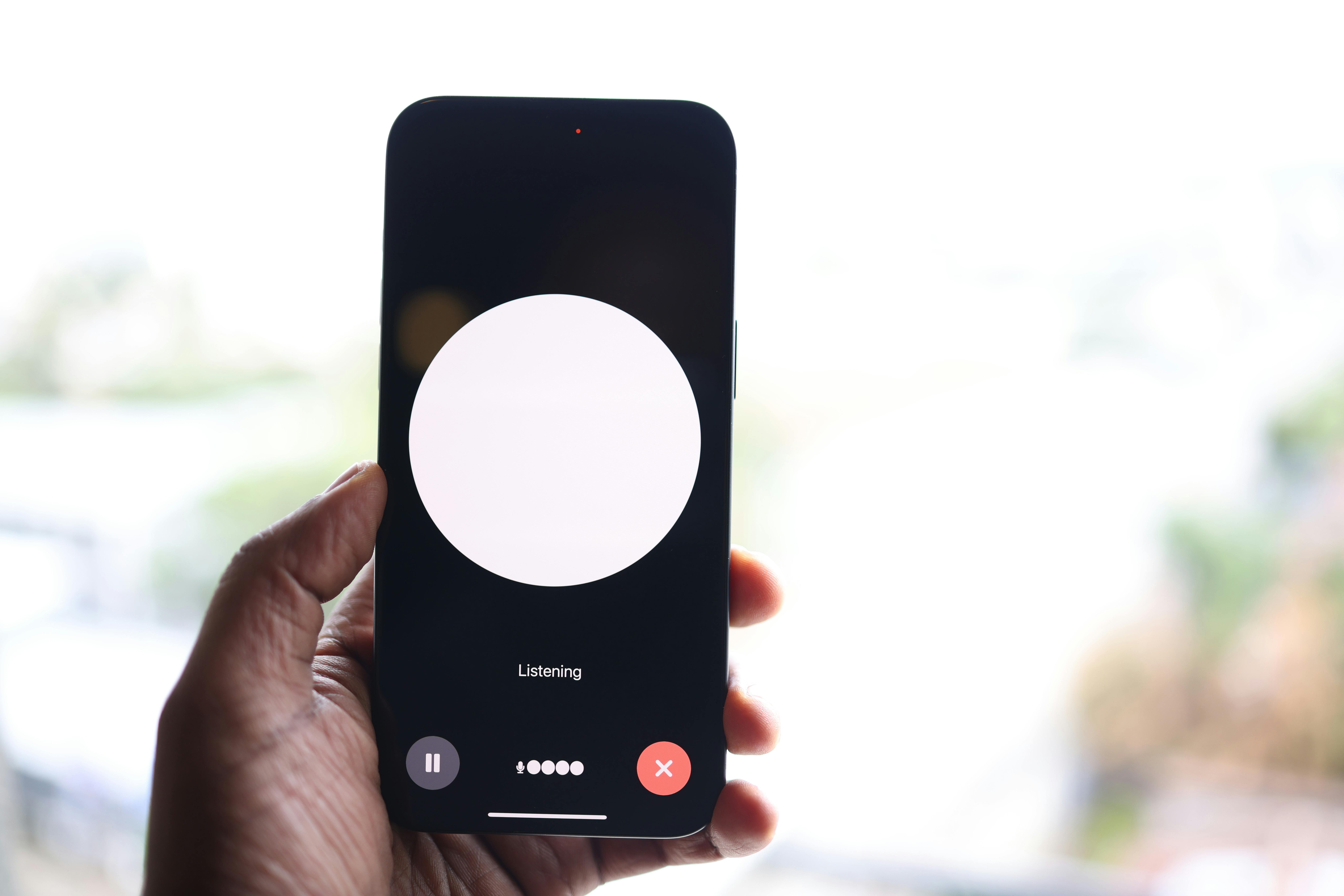
Ever wished you could unlock Siri’s full potential on any smartphone, regardless of brand or model?
With the right app, accessing a Siri-like assistant is now easier than ever.
Voice assistants have revolutionized how we interact with our devices, making everyday tasks simpler and faster.
While Siri is traditionally exclusive to Apple devices, innovative developers have created solutions that bring similar functionality to Android and other platforms.
These apps bridge the gap between different operating systems, allowing users to experience intelligent voice control without purchasing expensive hardware.
Whether you’re looking to streamline your daily routine, control smart home devices, or simply explore what voice assistants can do
having access to Siri-like features on any phone opens up a world of possibilities.
Let’s dive into how these apps work, what features they offer, and how you can get started today completely free.


🎯 Why Would You Want Siri on Non-Apple Devices?
The appeal of Siri extends far beyond Apple’s ecosystem. Many users appreciate the intuitive voice commands, natural language processing, and seamless integration with various services. However, not everyone owns an iPhone or wants to be locked into a single brand’s environment.
Cross-platform voice assistant apps solve this problem elegantly. They provide similar functionality—voice recognition, smart responses, task automation, and device control—without requiring you to switch your entire phone. This flexibility is particularly valuable for users who prefer Android’s customization options but still want access to sophisticated voice assistance.
Additionally, these apps often come with features that even surpass traditional Siri capabilities. Some offer multilingual support, custom voice commands, integration with third-party services, and enhanced privacy controls. The freedom to choose your assistant based on features rather than device compatibility represents a significant shift in how we approach mobile technology.
📱 Understanding Siri-Compatible Apps for All Devices
These applications don’t actually “unlock” Siri itself—that remains proprietary Apple software. Instead, they provide alternative voice assistants with comparable or superior functionality. The term “Siri app” has become shorthand for any high-quality voice assistant that offers similar conversational AI and task management capabilities.
Modern voice assistant apps leverage advanced artificial intelligence, natural language understanding, and cloud computing to deliver responsive, intelligent interactions. They can answer questions, set reminders, send messages, play music, navigate routes, control smart home devices, and perform countless other tasks through simple voice commands.
The best apps in this category continuously learn from user interactions, improving their accuracy and relevance over time. They integrate with popular services like calendars, email, music streaming platforms, and navigation systems, creating a unified experience across your digital life.
🔍 Key Features to Look For
When selecting a voice assistant app, certain features distinguish exceptional options from basic alternatives:
- Natural Language Processing: The ability to understand conversational speech rather than rigid commands
- Multi-Device Sync: Seamless operation across phones, tablets, and smart home devices
- Offline Capabilities: Core functions that work without internet connectivity
- Privacy Controls: Transparent data handling with options to limit information sharing
- Customization Options: Ability to personalize responses, wake words, and voice characteristics
- Third-Party Integration: Compatibility with popular apps and services you already use
- Multilingual Support: Recognition and response in multiple languages
- Smart Home Control: Integration with IoT devices and home automation systems
🚀 How to Download and Install Your Free Voice Assistant
Getting started with a Siri-like voice assistant on your device is straightforward. The process varies slightly depending on whether you’re using Android or iOS, but both platforms offer user-friendly installation methods.
For Android users, the Play Store hosts numerous voice assistant applications. Simply search for your chosen app, verify it’s from a reputable developer, check user reviews and ratings, then tap install. The app will download and configure automatically, usually guiding you through initial setup with clear instructions.
iOS users can find compatible apps through the App Store. While Apple devices already have Siri built-in, alternative voice assistants can provide additional features or different interaction styles. The installation process mirrors Android: locate the app, verify authenticity, read reviews, and install.
🔧 Initial Setup and Configuration
After installation, most voice assistant apps require some initial configuration to optimize performance. This typically includes granting necessary permissions such as microphone access, contact list access for messaging features, location services for navigation, and calendar integration for scheduling tasks.
During setup, you’ll often have the opportunity to customize your experience. This might include selecting your preferred voice type, choosing a wake word or activation phrase, connecting to smart home devices, and linking third-party services like music streaming or email accounts.
Take time during this phase to explore privacy settings. Decide what data you’re comfortable sharing, whether you want interactions recorded for improvement purposes, and how the app should handle sensitive information. Most reputable apps provide granular controls that let you balance functionality with privacy.

💡 Maximizing Your Voice Assistant Experience
Simply installing a voice assistant app is just the beginning. To truly benefit from this technology, you’ll want to integrate it into your daily routines and discover all its capabilities. Start by using it for simple tasks like setting alarms or checking weather, then gradually expand to more complex functions.
Voice assistants excel at routine automation. Consider setting up morning routines that read your calendar, provide weather updates, and summarize news headlines. Evening routines might set alarms, review tomorrow’s schedule, and activate smart home scenes like dimming lights or adjusting thermostats.
Experiment with different command phrasings to discover what your assistant understands best. Most modern apps can interpret various ways of asking the same question, but knowing the most efficient commands saves time and reduces frustration.
📊 Practical Use Cases That Transform Daily Life
Voice assistants shine in specific scenarios where hands-free operation or quick information access is valuable:
- Driving: Safely navigate, send messages, make calls, and control music without touching your phone
- Cooking: Set multiple timers, convert measurements, and access recipes hands-free
- Exercising: Track workouts, control music, and receive motivational updates without breaking stride
- Working: Schedule meetings, set reminders, dictate notes, and manage tasks efficiently
- Accessibility: Provide essential functionality for users with mobility or vision challenges
🔐 Privacy and Security Considerations
Voice assistants necessarily process sensitive information, from your voice patterns to personal data in messages and calendars. Understanding how apps handle this information is crucial for informed usage.
Reputable voice assistant apps implement several security measures. These include end-to-end encryption for transmitted data, local processing for sensitive commands when possible, anonymous data collection for improvement purposes, and clear privacy policies explaining data usage.
You can enhance your privacy by reviewing and adjusting app permissions regularly, deleting voice history periodically, using apps from established developers with transparent policies, and avoiding linking accounts containing highly sensitive information unless necessary.
🛡️ Red Flags to Avoid
Not all voice assistant apps prioritize user security equally. Be cautious of applications that request excessive permissions unrelated to core functionality, lack clear privacy policies or developer information, have predominantly negative reviews mentioning data concerns, or promise features that seem too good to be true for free apps.
Always download apps from official stores rather than third-party sources. While alternative app markets exist, official stores provide better security screening and accountability mechanisms.
🌟 Comparing Free vs. Premium Voice Assistant Features
Many voice assistant apps operate on a freemium model, offering core functionality at no cost while reserving advanced features for paid subscriptions. Understanding this distinction helps you decide whether free versions meet your needs or if premium upgrades provide worthwhile value.
Free versions typically include basic voice commands, standard integrations with major services, limited customization options, and ad-supported experiences. These offerings often satisfy casual users who need occasional assistance with common tasks.
Premium tiers generally add unlimited voice commands without usage caps, advanced AI capabilities for more nuanced understanding, ad-free experiences, priority customer support, expanded smart home integrations, and custom automation workflows.
💰 Getting the Most Value from Free Versions
You can maximize free voice assistant apps by focusing on core competencies where they excel, combining multiple free apps for different specializations, taking advantage of trial periods for premium features, and participating in beta programs that sometimes offer enhanced access.
Many users find free versions entirely sufficient for their needs. The key is matching your expectations to what free tiers realistically provide rather than expecting premium functionality without payment.
🔄 Integrating Voice Assistants with Your Digital Ecosystem
Voice assistants become exponentially more valuable when connected to your existing apps and services. Most modern assistants integrate with popular platforms, creating a centralized control point for your digital life.
Calendar integration allows scheduling management through simple voice commands. Email connectivity enables dictating and sending messages hands-free. Music streaming integration lets you control playback, create playlists, and discover new content conversationally.
Smart home integration represents one of the most compelling use cases. Control lights, thermostats, locks, cameras, and appliances through natural language commands. Create scenes that adjust multiple devices simultaneously, and establish routines that trigger automatically based on time or location.
🏠 Building Smart Home Voice Control
To maximize smart home voice control, ensure your devices support common protocols like Wi-Fi, Zigbee, or Z-Wave. Connect them through compatible hubs or directly to your voice assistant app. Create logical groupings like “bedroom lights” or “living room” for easier control.
Start with simple commands for individual devices, then progress to more complex automations. For example, “goodnight” might lock doors, turn off lights, lower thermostats, and arm security systems—all with a single voice command.
📈 Future Trends in Voice Assistant Technology
Voice assistant technology continues evolving rapidly. Understanding emerging trends helps you anticipate future capabilities and make informed decisions about which platforms to invest time learning.
Artificial intelligence advances are making assistants increasingly conversational and context-aware. Future systems will better understand nuance, remember previous interactions, and provide more personalized responses based on individual preferences and patterns.
Multimodal interaction combining voice with visual elements is expanding. Assistants will increasingly leverage screens when available, displaying relevant information alongside voice responses for richer, more informative interactions.
Privacy-focused processing is gaining prominence as users demand better data protection. More computational tasks will happen locally on devices rather than in the cloud, reducing data transmission and enhancing security.
🎓 Tips for Getting Started Successfully
New users sometimes feel overwhelmed by voice assistant capabilities. Starting with a focused approach helps build comfort and competence gradually.
Begin with three to five commands you’ll use daily. Master these thoroughly before expanding your repertoire. This focused approach builds positive habits and demonstrates clear value, motivating continued exploration.
Speak naturally rather than adopting robotic speech patterns. Modern assistants understand conversational language, so phrasing requests as you would to another person typically works best.
Be patient during the learning phase. Both you and the assistant need time to adapt—you’ll discover which commands work best, while the assistant learns your voice patterns and preferences.
🗣️ Common Commands to Master First
- Timers and alarms: “Set a timer for 10 minutes” or “Wake me up at 7 AM”
- Weather inquiries: “What’s the weather today?” or “Will it rain tomorrow?”
- Reminders: “Remind me to call Mom at 3 PM”
- Music control: “Play relaxing music” or “Skip this song”
- Quick facts: “How tall is Mount Everest?” or “Who won the World Cup?”
- Navigation: “Navigate to the nearest coffee shop”
- Messaging: “Send a text to John saying I’m running late”
🌐 Multilingual Capabilities and Global Accessibility
The best voice assistant apps recognize and respond in multiple languages, making them valuable tools for multilingual households and language learners. This capability extends voice assistance benefits to billions of non-English speakers worldwide.
Some advanced assistants can even switch languages mid-conversation, detecting which language you’re speaking and responding appropriately. This flexibility supports natural communication patterns in multilingual environments.
For language learners, voice assistants provide low-pressure practice opportunities. You can ask questions, practice pronunciation, and receive immediate feedback in your target language without judgment or embarrassment.

✨ Transforming Your Mobile Experience Today
Voice assistant technology has matured from novelty to genuine utility. Whether you choose an app that emulates Siri’s functionality or explore alternative assistants with unique features, incorporating voice control into your daily routine offers tangible benefits in convenience, accessibility, and productivity.
The availability of free, high-quality voice assistant apps means there’s no barrier to experimentation. Download an option that appeals to you, invest some time in setup and learning, and discover which features genuinely improve your mobile experience.
As these technologies continue advancing, early adopters gain familiarity that positions them to leverage future capabilities more effectively. The voice-first future is arriving rapidly—starting your journey today ensures you’re ready to benefit from tomorrow’s innovations.
Remember that the best voice assistant is the one you actually use consistently. Focus less on finding the perfect app and more on integrating whichever solution you choose into real daily workflows. That practical integration is where the true value emerges, transforming your smartphone from a device you interact with to an intelligent companion that anticipates and supports your needs.
