
Anúncios
Unlock the full potential of your smartphone by activating 5G connectivity at no extra cost and experience blazing-fast internet speeds like never before.
Unlock Lightning-Fast 5G Connectivity on Your Device
Learn More About 5G
The world of mobile connectivity has evolved dramatically, and 5G technology stands at the forefront of this revolution. Many smartphone users remain unaware that their devices already support 5G capabilities, simply waiting to be activated through the right settings and configurations.
Whether you’re streaming high-definition content, participating in video conferences, or downloading large files, enabling 5G on your device can transform your mobile experience completely. The best part? You don’t need to spend extra money on expensive plans or technical services to make this happen.
📱 Understanding 5G Technology and Its Benefits
Fifth-generation wireless technology represents a quantum leap forward in mobile connectivity. Unlike its predecessor 4G LTE, 5G offers significantly faster download and upload speeds, reduced latency, and the ability to connect more devices simultaneously without performance degradation.
The practical implications of 5G extend far beyond simple speed improvements. Users experience seamless video streaming in 4K or even 8K resolution, instantaneous app downloads, and lag-free online gaming. Cloud-based applications respond instantly, making remote work and productivity tools function as smoothly as their desktop counterparts.
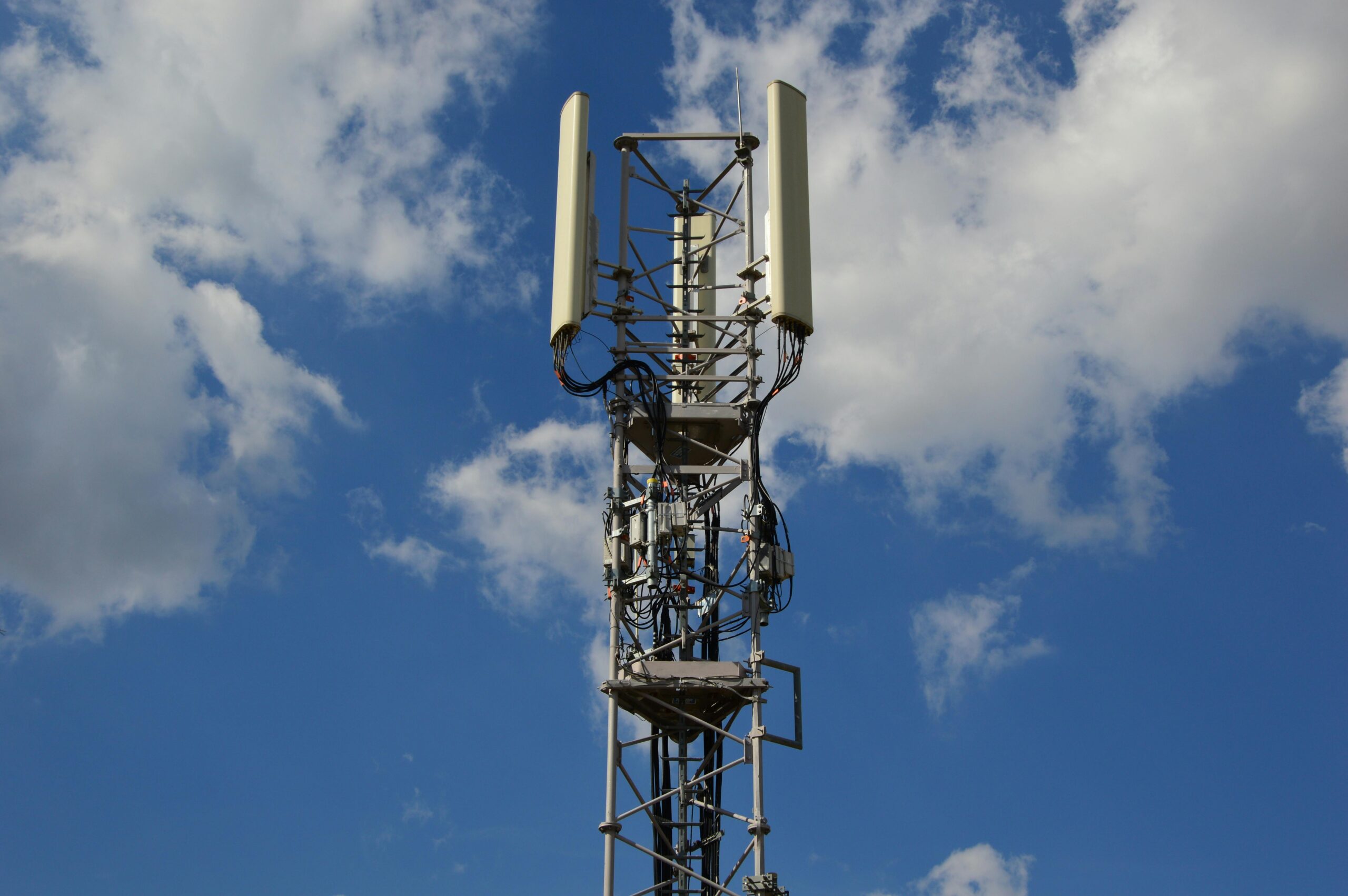
5G networks operate on three different spectrum bands: low-band, mid-band, and high-band (mmWave). Each offers distinct advantages depending on your location and carrier infrastructure. Low-band provides extensive coverage with moderate speed improvements, while high-band delivers exceptional speeds over shorter distances.
🔍 Check If Your Phone Supports 5G Connectivity
Before attempting to enable 5G, you must verify whether your smartphone includes compatible hardware. Most devices manufactured after 2020 incorporate 5G modems, but budget and mid-range models may lack this capability.
Navigate to your phone’s settings menu and look for “About Phone” or “Device Information.” Here you’ll find specifications listing supported network technologies. Look for terms like “5G,” “5G NR,” or specific bands such as “n77,” “n78,” or “n79.”
Alternatively, check your device’s original specifications on the manufacturer’s website. Search for your exact model number, which you can find on the device’s packaging or within the settings menu. Major brands like Samsung, Apple, Google, OnePlus, and Xiaomi clearly indicate 5G capability in their product documentation.
Popular 5G-Compatible Smartphones
- iPhone 12 and newer models – All variants support 5G across multiple bands
- Samsung Galaxy S20 series onwards – Comprehensive 5G support in flagship and mid-range devices
- Google Pixel 5 and later – Full integration with major 5G networks
- OnePlus 8 series and above – Excellent 5G performance at competitive prices
- Xiaomi Mi 10 and subsequent releases – Wide-ranging 5G compatibility
⚙️ How to Enable 5G on Android Devices
Android devices offer straightforward methods to activate 5G connectivity. The exact steps may vary slightly depending on your manufacturer’s custom interface, but the fundamental process remains consistent across most brands.
Start by opening the Settings app on your Android phone. Scroll down and tap on “Connections” or “Network & Internet,” depending on your device. Look for “Mobile Networks” or “SIM Card & Mobile Data” options.
Within the mobile network settings, you’ll find an option labeled “Preferred Network Type,” “Network Mode,” or similar terminology. Tap this option to reveal available network types. Select “5G/LTE/3G/2G (Auto)” or “5G On” to enable 5G connectivity.
Step-by-Step Android 5G Activation
- Open Settings and navigate to Connections
- Select Mobile Networks from the menu
- Tap Network Mode or Preferred Network Type
- Choose 5G/LTE/3G/2G (Auto) from available options
- Wait for your device to search and connect to 5G networks
- Verify connection by checking the status bar for “5G” indicator
Some Android devices include additional 5G settings that allow you to choose between “5G Auto” and “5G On” modes. The “5G Auto” option intelligently switches between 4G and 5G to conserve battery life, while “5G On” maintains a constant 5G connection when available.
🍎 Activating 5G on iPhone Devices
Apple’s implementation of 5G includes several intelligent options designed to balance performance with battery efficiency. iPhone users running iOS 14 or later can access these settings easily through the native interface.
Begin by opening the Settings app on your iPhone. Tap on “Cellular” or “Mobile Data,” depending on your region. Select “Cellular Data Options” to access advanced network settings.
You’ll see a “Voice & Data” section with three distinct 5G options: “5G On,” “5G Auto,” and “LTE.” Each serves different purposes based on your priorities and usage patterns.
iPhone 5G Configuration Options Explained
5G On: This setting maintains a persistent 5G connection whenever available, providing maximum speeds but consuming more battery power. Ideal for users who prioritize performance over battery longevity and have access to reliable 5G coverage.
5G Auto: Apple’s recommended default setting uses intelligent algorithms to switch between 5G and LTE based on your activities. When streaming video or downloading large files, it activates 5G automatically. During light browsing or background operation, it conserves battery by using LTE.
LTE: Disables 5G completely, restricting your connection to 4G networks. Useful when traveling to areas with limited 5G coverage or when maximum battery preservation becomes necessary.
📶 Verify Your Carrier’s 5G Network Availability
Having a 5G-capable device means nothing without carrier support in your area. Network operators continue expanding 5G infrastructure, but coverage remains inconsistent across different regions and service providers.
Visit your mobile carrier’s official website and locate their coverage map. Most providers offer interactive tools where you can enter your address or zip code to verify 5G availability. These maps typically distinguish between different 5G types, such as 5G Ultra Wideband, 5G Plus, or standard 5G.
Major carriers in the United States like Verizon, AT&T, and T-Mobile have deployed extensive 5G networks covering most metropolitan areas. However, rural regions may still rely primarily on 4G LTE infrastructure. International carriers vary significantly in their 5G rollout progress.
Checking 5G Coverage by Carrier
- Verizon: Offers 5G Nationwide and 5G Ultra Wideband with different coverage areas
- AT&T: Provides 5G and 5G+ services across expanding territories
- T-Mobile: Features extensive low-band 5G coverage and limited mid-band availability
- International carriers: Check specific provider websites for regional coverage details
💡 Optimize Settings for Maximum 5G Performance
Simply enabling 5G doesn’t guarantee optimal performance. Several additional settings and configurations can enhance your experience and ensure you’re extracting maximum value from your high-speed connection.
Disable unnecessary background apps that consume bandwidth without providing immediate value. Navigate to your device’s application settings and restrict background data usage for apps you don’t actively use. This prevents bandwidth competition and improves speeds for your primary activities.
Clear your device’s cache regularly to eliminate accumulated data that might slow performance. Both Android and iOS devices accumulate temporary files that can interfere with network efficiency. On Android, use built-in storage cleaners; on iPhone, offload unused apps through Settings > General > iPhone Storage.
Advanced Performance Enhancement Tips
- Update your device to the latest available software version
- Reset network settings if experiencing persistent connectivity issues
- Disable VPN services temporarily when maximum speed matters
- Use 5GHz WiFi networks when available for complementary high-speed connectivity
- Monitor data usage to avoid carrier throttling after exceeding plan limits
🔋 Managing Battery Life with 5G Connectivity
The most significant trade-off when using 5G involves battery consumption. The technology requires more power to maintain faster connections, especially when using high-band frequencies. Understanding this relationship helps you make informed decisions about when to use 5G.
Modern smartphones include intelligent power management systems that mitigate 5G’s battery impact. However, users can implement additional strategies to extend battery life while enjoying faster speeds.
Switch to “5G Auto” mode on compatible devices, allowing your phone to intelligently balance speed and efficiency. This setting automatically drops to LTE during periods of light usage, preserving battery while maintaining 5G availability when needed.
Battery Conservation Strategies for 5G Users
- Enable battery saver mode during extended periods away from chargers
- Reduce screen brightness and timeout duration
- Disable always-on display features when using 5G extensively
- Close unnecessary applications running in the background
- Use airplane mode in areas with poor 5G coverage to prevent constant network searching
🚫 Troubleshooting Common 5G Connection Issues
Despite proper configuration, you may encounter situations where 5G connectivity fails to activate or performs inconsistently. Several common issues affect 5G performance, most of which have straightforward solutions.
If your status bar doesn’t display a 5G indicator after enabling the feature, restart your device completely. This simple step resolves temporary software glitches that might prevent proper network registration. Power off your phone, wait thirty seconds, then power it back on.
Verify that your SIM card supports 5G services. Older SIM cards may require replacement with newer versions that include 5G provisioning. Contact your carrier to confirm whether your current SIM card supports 5G or request a free replacement if necessary.
Common Problems and Quick Fixes
No 5G indicator appears: Check carrier coverage in your area, verify device compatibility, and ensure your plan includes 5G access. Some carriers require specific plan upgrades to access 5G networks.
Frequent switching between 4G and 5G: This typically indicates you’re at the edge of 5G coverage. Consider using “5G Auto” mode or staying on LTE to maintain stable connectivity.
Slower speeds than expected: Network congestion, distance from towers, and environmental factors affect 5G performance. Try connecting during off-peak hours or moving to different locations to test speed variations.
Excessive battery drain: Switch to “5G Auto” mode, reduce screen-on time, and disable unnecessary background processes. Consider using LTE in situations where maximum speed isn’t critical.
📊 Measuring Your 5G Internet Speed
After successfully enabling 5G, you’ll want to verify the actual performance improvements. Several reliable applications provide accurate speed measurements, helping you understand whether you’re receiving the full benefits of 5G technology.
Download trusted speed testing apps like Speedtest by Ookla, Fast.com by Netflix, or your carrier’s official speed test application. Run multiple tests at different times and locations to get a comprehensive picture of your 5G performance.
Real-world 5G speeds vary dramatically based on numerous factors. Low-band 5G typically delivers 50-250 Mbps, mid-band achieves 100-900 Mbps, and high-band mmWave can exceed 1-4 Gbps under optimal conditions. Compare your results against these benchmarks to assess your connection quality.
🌐 Understanding Different Types of 5G Networks
Not all 5G connections deliver identical performance. Carriers deploy three distinct 5G variants, each with unique characteristics, advantages, and limitations. Understanding these differences helps set realistic expectations.
Low-band 5G operates on frequencies below 1 GHz, providing extensive coverage similar to 4G LTE. It penetrates buildings effectively and covers large geographic areas but offers modest speed improvements, typically 20-50% faster than 4G.
Mid-band 5G uses frequencies between 1-6 GHz, balancing coverage and performance. This “sweet spot” delivers significant speed improvements while maintaining reasonable coverage areas. Most users experience the best combination of speed and availability with mid-band 5G.
High-band 5G (mmWave) operates above 24 GHz, delivering extraordinary speeds but extremely limited range. It works best in dense urban environments, stadiums, and airports where towers can be placed frequently. Obstacles like walls and windows severely limit mmWave propagation.
💰 Maximizing Value Without Extra Costs
One of the most appealing aspects of 5G adoption involves accessing this technology without incurring additional expenses. Many carriers include 5G access in existing unlimited plans, allowing subscribers to enjoy faster speeds at no extra cost.
Review your current mobile plan details to confirm whether 5G access comes included. Most major carriers incorporated 5G into their standard offerings, eliminating the need for plan upgrades or special add-ons.
If your plan doesn’t include 5G by default, contact your carrier to explore available options. Sometimes, simply requesting 5G activation enables the feature without requiring plan changes. Other carriers offer competitive promotions or grandfather existing customers into 5G-enabled plans.
🔐 Security Considerations for 5G Connectivity
While 5G offers numerous advantages, users should remain aware of security considerations associated with any wireless technology. The same precautions that protect 4G users apply equally to 5G connections.
Always use HTTPS connections when browsing websites, especially when transmitting sensitive information. Enable built-in security features on your device, including automatic updates, screen locks, and biometric authentication. These measures protect your data regardless of network technology.
Avoid connecting to unknown or suspicious WiFi networks, even if your device supports 5G. Malicious actors can create fake hotspots to intercept data. When handling financial transactions or confidential information, rely on your cellular connection rather than public WiFi.
🎯 Real-World Applications of Faster 5G Speeds
Understanding the practical benefits of 5G helps justify the effort of enabling and optimizing this technology. The speed improvements translate into tangible advantages across numerous daily activities.
Streaming services benefit tremendously from 5G connectivity. Platforms like Netflix, YouTube, and Disney+ can deliver 4K and HDR content without buffering, even when streaming to multiple devices simultaneously. Live sports broadcasts and gaming streams maintain consistent quality without interruption.
Cloud gaming platforms such as Xbox Cloud Gaming, GeForce Now, and PlayStation Plus Premium become genuinely viable on mobile devices with 5G. The reduced latency and increased bandwidth support high-quality game streaming with minimal input lag, approaching the experience of local gaming.
Video conferencing applications like Zoom, Microsoft Teams, and Google Meet function flawlessly over 5G connections. Participants enjoy crystal-clear video and audio without the freezing or pixelation common on slower networks, making remote work and virtual meetings more productive.
🔄 Future-Proofing Your Mobile Experience
Enabling 5G today prepares you for tomorrow’s applications and services. As developers create innovative applications that leverage 5G capabilities, early adopters position themselves to take immediate advantage of these advancements.
Augmented reality applications will increasingly rely on 5G’s low latency and high bandwidth. Shopping apps that overlay product visualizations in real-world environments, navigation tools with immersive AR directions, and educational platforms with interactive 3D models all depend on robust 5G connectivity.
The Internet of Things continues expanding, with smart home devices, wearables, and connected vehicles generating unprecedented data volumes. 5G networks handle these connections efficiently, supporting the seamless operation of multiple devices without performance degradation.
By activating 5G connectivity on your smartphone today, you’re not just improving current internet speeds—you’re ensuring compatibility with the next generation of mobile applications and services. This forward-thinking approach maximizes the value and longevity of your existing device while preparing you for innovations still in development.
Take control of your mobile experience by enabling 5G connectivity through the simple steps outlined in this guide. Enjoy dramatically faster downloads, seamless streaming, and responsive online interactions without spending extra money on premium services or technical assistance. The future of mobile connectivity is here, readily accessible through your existing smartphone’s settings, waiting to transform how you interact with the digital world.
