
Anúncios
Learning English has never been more accessible. With the rise of mobile technology, language apps now offer interactive, flexible, and effective ways to master English from anywhere in the world.

Whether you’re preparing for an international career, planning to travel abroad, or simply wanting to expand your communication skills, finding the right app to learn English can transform your educational journey. These digital tools combine gamification, artificial intelligence, and proven teaching methodologies to create personalized learning experiences.
The beauty of language learning apps lies in their adaptability. They fit seamlessly into busy schedules, allowing you to practice during your commute, lunch break, or before bed. Let’s explore how these innovative platforms are revolutionizing English education and which features truly matter for your success.
📱 Why Mobile Apps Are Transforming English Learning
Traditional classroom environments once dominated language education, but mobile applications have fundamentally changed this landscape. The convenience factor alone makes apps an attractive option for millions of learners worldwide.
Apps eliminate geographical barriers and time constraints. You no longer need to commute to a physical location or adhere to fixed schedules. This flexibility proves especially valuable for working professionals, parents, and students juggling multiple responsibilities.
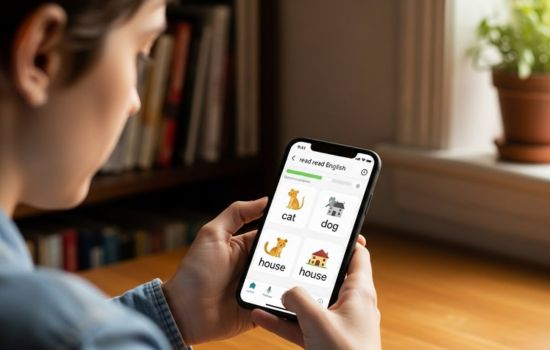
The interactive nature of mobile learning keeps engagement levels high. Unlike passive textbook reading, apps incorporate speaking exercises, listening activities, and instant feedback mechanisms that maintain motivation throughout your learning journey.
Cost-effectiveness represents another significant advantage. While private tutors and language schools can be prohibitively expensive, many quality apps offer free versions or affordable subscription models that provide access to comprehensive learning materials.
🎯 Essential Features to Look for in an English Learning App
Not all language apps are created equal. Understanding which features genuinely support learning helps you choose platforms that align with your goals and learning style.
Adaptive Learning Technology
The best apps use artificial intelligence to assess your current level and adjust difficulty accordingly. This personalization ensures you’re neither bored with overly simple content nor frustrated by material that’s too advanced.
Adaptive systems track your progress across vocabulary, grammar, pronunciation, and comprehension. They identify weak areas and provide targeted practice to strengthen those specific skills.
Speech Recognition Capabilities
Pronunciation practice forms a critical component of language mastery. Apps equipped with advanced speech recognition technology evaluate your spoken English and provide immediate correction.
These features help you develop confidence in speaking, reducing the anxiety many learners experience when communicating in a new language. Regular practice with AI-powered feedback accelerates your path to fluency.
Comprehensive Content Coverage
Quality apps address all language skills: reading, writing, listening, and speaking. Look for platforms that offer diverse content types including dialogues, stories, news articles, and practical conversations.
Vocabulary building should extend beyond simple word lists. Contextual learning through sentences and real-world scenarios helps you understand how words function in actual communication.
Gamification Elements
Learning streaks, points, levels, and achievements might seem superficial, but these gamification features significantly boost motivation. They transform learning from a chore into an engaging daily habit.
Competitive elements like leaderboards and challenges with other learners add a social dimension that keeps you accountable and motivated to maintain consistent practice.

🏆 Top Benefits of Learning English Through Apps
Digital learning platforms offer unique advantages that traditional methods struggle to replicate. Understanding these benefits helps you maximize your app-based learning experience.
Self-Paced Progress Without Pressure
Apps respect your individual learning speed. There’s no pressure to keep up with a class or embarrassment from making mistakes in front of others. This comfortable environment encourages experimentation and risk-taking, both essential for language acquisition.
You control when to move forward and when to review. If a concept needs reinforcement, you can revisit lessons without feeling like you’re holding others back.
Immediate Feedback Accelerates Learning
Instant correction helps solidify correct patterns before mistakes become habits. Apps provide explanations when you answer incorrectly, turning errors into learning opportunities rather than sources of frustration.
This rapid feedback loop proves far more effective than waiting days or weeks for a teacher to grade assignments and return them with comments.
Microlearning Fits Any Schedule ⏰
Even five minutes of daily practice contributes to progress. Apps break content into bite-sized lessons that fit naturally into brief windows of free time throughout your day.
This microlearning approach aligns with cognitive science research showing that frequent, short study sessions often produce better retention than infrequent marathon sessions.
Multimodal Learning Engages Different Senses
Apps combine visual, auditory, and kinesthetic learning modes. You see written words, hear native pronunciations, and physically interact through typing or speaking exercises.
This multisensory engagement creates stronger neural pathways, improving both comprehension and recall compared to single-mode learning methods.
🎓 Structuring Your Learning Routine for Maximum Results
Having a powerful app is only half the equation. Developing consistent habits and strategic approaches determines whether you achieve fluency or abandon your goals after a few weeks.
Establishing Daily Practice Rituals
Consistency trumps intensity in language learning. Fifteen minutes daily produces better long-term results than occasional two-hour sessions. Choose a specific time each day and treat your practice as a non-negotiable appointment.
Many successful learners link their app practice to existing habits. They might complete a lesson while drinking morning coffee, during lunch breaks, or immediately after dinner.
Setting Realistic Milestones
Break your ultimate goal into achievable checkpoints. Rather than vaguely aiming to “become fluent,” target specific outcomes like completing 50 lessons, learning 500 new words, or maintaining a 30-day streak.
These concrete milestones provide regular wins that fuel motivation and give you clear indicators of progress.
Supplementing App Learning With Real-World Practice
Apps provide excellent foundations, but authentic communication accelerates fluency. Join online language exchange communities, watch English movies with subtitles, or narrate your daily activities in English.
This combination of structured app learning and organic practice creates a comprehensive learning environment that develops both accuracy and spontaneous communication skills.
💡 Common Mistakes to Avoid When Using Language Apps
Understanding potential pitfalls helps you navigate your learning journey more effectively and avoid frustrations that derail many aspiring English speakers.
Obsessing Over Streaks at the Expense of Quality
While maintaining daily streaks encourages consistency, rushing through lessons just to preserve your streak undermines actual learning. Focus on comprehension and retention rather than simply checking boxes.
If you’re too tired or busy for meaningful practice, a shorter but focused session beats mindlessly clicking through exercises.
Neglecting Speaking Practice
Some learners avoid speaking exercises due to self-consciousness or discomfort. However, pronunciation and conversational fluency require active practice with immediate feedback.
Push through initial awkwardness. The privacy of practicing with an app provides a judgment-free zone to develop confidence before real-world conversations.
Ignoring Grammar Foundations
Vocabulary alone doesn’t create fluency. Understanding grammatical structures enables you to construct your own sentences rather than simply memorizing phrases.
Balance vocabulary acquisition with grammar lessons, even when grammar feels less exciting. This foundation proves invaluable as you progress to intermediate and advanced levels.
Failing to Review Previously Learned Material
The forgetting curve means we naturally lose information over time without reinforcement. Most quality apps incorporate spaced repetition systems, but you should also consciously review older lessons periodically.
Revisiting earlier content solidifies knowledge and often reveals nuances you missed during initial exposure.
🌍 Real-World Success Stories From App Learners
Countless individuals have achieved impressive English proficiency using mobile apps as their primary learning tool. These success stories demonstrate what’s possible with dedication and strategic use of technology.
Maria, a nurse from Brazil, used language apps during her commute to prepare for international nursing certifications. After eight months of consistent daily practice, she passed her English proficiency exam and secured a position at a hospital in Canada.
Ahmed, an entrepreneur from Egypt, needed English to expand his business internationally. He combined morning app sessions with watching English business podcasts. Within a year, he confidently conducted negotiations with partners across Europe and North America.
These stories share common elements: consistent daily practice, integration with other learning resources, and clear motivation driving sustained effort. Apps served as the foundation, but learners supplemented digital lessons with authentic exposure to the language.
🔄 Combining Apps With Other Learning Resources
Apps work best as part of a broader learning ecosystem rather than as isolated tools. Strategic integration with complementary resources accelerates progress and maintains engagement.
English Podcasts and Audiobooks
Listening comprehension develops through exposure to varied speakers, accents, and speaking speeds. Podcasts designed for learners often feature clear speech and transcripts, while gradually introducing more challenging content.
Audiobooks allow you to enjoy stories while simultaneously improving listening skills. Start with familiar books you’ve read in your native language, then progress to new English-language content.
Language Exchange Partnerships
Platforms connecting learners with native speakers create opportunities for authentic conversation practice. These exchanges provide mutual benefit—you practice English while helping your partner learn your native language.
Regular conversation practice transforms theoretical knowledge from apps into practical communication ability, building confidence and fluency simultaneously.
YouTube Channels for English Learners
Countless channels offer lessons, pronunciation guides, cultural insights, and entertainment in English. Visual demonstrations of mouth positions for difficult sounds complement app-based pronunciation practice.
Educational content presented in engaging formats makes learning feel less like study and more like entertainment, sustaining motivation during challenging phases.
📊 Tracking Your Progress Beyond App Metrics
While apps provide useful statistics about lessons completed and words learned, meaningful progress extends beyond these numbers. Developing personal assessment methods gives you a fuller picture of your developing abilities.
Keep a weekly journal in English, noting how comfortably you express yourself. Over time, you’ll notice increased vocabulary range, more complex sentence structures, and improved fluency in written expression.
Record yourself speaking on the same topic monthly. Listening to these recordings reveals improvements in pronunciation, grammar, and confidence that daily metrics might not capture.
Challenge yourself with authentic materials like news articles or videos without subtitles. Notice when content that once seemed incomprehensible becomes understandable—this indicates genuine progress in comprehension skills.
🚀 Advanced Strategies for Intermediate Learners
Once you’ve established foundations, adjusting your approach helps you break through intermediate plateaus and continue progressing toward advanced fluency.
Specialized Vocabulary Development
General language apps provide broad vocabulary, but professional or academic contexts require specialized terminology. Supplement your app learning with field-specific materials relevant to your goals.
If you need business English, focus on presentations, negotiations, and professional correspondence. Academic learners should prioritize essay writing, research terminology, and formal speech patterns.
Accent Reduction and Pronunciation Refinement
Intermediate learners often understand and communicate effectively but want to refine pronunciation. Dedicated pronunciation apps or features help you address specific sound challenges.
Working systematically through problematic sounds—particularly those that don’t exist in your native language—significantly improves intelligibility and listener comfort.
Cultural Competence Alongside Language Skills
True fluency encompasses understanding cultural context, idioms, humor, and social norms. Apps that incorporate cultural notes enhance your ability to communicate appropriately in various situations.
Watch English-language films and series, read contemporary literature, and follow social media accounts from English-speaking countries to absorb cultural nuances that complement your language skills.
🎯 Choosing the Right App for Your Specific Needs
Different apps excel in different areas. Matching platform strengths to your personal goals, learning style, and current proficiency level optimizes your learning experience.
Beginners benefit most from apps with strong foundations in vocabulary and basic grammar, with clear progression paths and extensive beginner content. Gamification features particularly help establish consistent practice habits during these crucial early stages.
Intermediate learners should prioritize apps offering conversation practice, pronunciation feedback, and more complex grammatical structures. Look for platforms that challenge you without overwhelming you.
Advanced learners need apps providing authentic content like news articles, podcasts, and complex discussions. At this level, focus shifts from basic acquisition to refinement and maintenance of skills.
Consider your learning preferences too. Visual learners might prefer apps with strong graphic elements and written explanations, while auditory learners benefit from platforms emphasizing listening and speaking exercises.
✨ Maintaining Motivation Throughout Your Learning Journey
Even with the best apps and strategies, motivation fluctuates. Developing techniques to navigate low-motivation periods determines whether you achieve your goals or abandon them halfway.
Connect your learning to compelling personal reasons beyond vague self-improvement. Whether advancing your career, connecting with loved ones, enjoying entertainment in its original language, or traveling with confidence, keep these motivations visible and present.
Join online communities of fellow learners. Sharing struggles, celebrating victories, and exchanging tips creates accountability and reminds you that challenges are normal parts of the process, not personal failures.
Vary your practice activities to prevent monotony. If app lessons feel stale, spend a session watching English videos, reading articles, or practicing conversations instead. Return to structured lessons refreshed and re-engaged.
Celebrate milestones meaningfully. When you reach significant achievements—completing a course level, maintaining a long streak, or successfully having a real English conversation—acknowledge these wins in ways that feel rewarding to you.
🌟 The Future of English Learning Through Technology
Language learning apps continue evolving rapidly, incorporating emerging technologies that promise even more effective and engaging learning experiences.
Artificial intelligence improvements enable increasingly sophisticated conversation partners that adapt to your level and interests. These AI tutors provide unlimited speaking practice without the scheduling constraints or costs of human tutors.
Virtual reality applications are beginning to offer immersive environments where learners practice English in realistic scenarios—ordering at restaurants, navigating airports, or participating in business meetings—without leaving home.
Advanced speech recognition continues improving, offering increasingly accurate pronunciation assessment and correction. These systems now detect subtle differences that significantly impact intelligibility.
The integration of these technologies with proven pedagogical approaches promises to make English fluency accessible to anyone with a smartphone and dedication, regardless of geographical location or financial resources.
Your journey to English fluency represents an investment in your future that opens doors personally and professionally. With the right app, consistent practice, and strategic supplementation, you’ll find yourself communicating confidently in English sooner than you might expect. Start today, stay consistent, and watch your abilities grow day by day. 🌍✨
